





Do You Need 5G+ Yet? Real-World Benefits in 2025 (and When to Skip)

Remember when 5G was the next big thing? Flash forward to 2025, and you’ve probably seen “5G+,” “5G Ultra,” or “5G Advanced” logos popping up on your phone screen. Carriers promise faster speeds, lower latency, and “future-ready” performance.
But if you’re like most users, you might be wondering: is it actually worth it yet?
Let’s cut through the marketing noise and look at what 5G+ truly delivers in the real world — and whether it’s finally time to upgrade, or if your 4G/LTE plan still does the job just fine.
What Exactly Is 5G+ (and How Is It Different from Regular 5G)?
Think of 5G+ as 5G on steroids.
The “plus” usually refers to newer, faster 5G bands or technologies such as:
-
mmWave (millimeter wave): Extremely high frequencies offering gigabit-level speeds, but limited range.
-
C-band (mid-band 5G): The sweet spot — much faster than 4G, but with wider coverage than mmWave.
-
5G Advanced: The next evolution (rolling out in late 2025), blending AI-driven network optimization, better battery efficiency, and stronger connectivity indoors.
Different carriers brand these in their own way:
-
AT&T: “5G+”
-
Verizon: “Ultra Wideband”
-
T-Mobile: “Ultra Capacity”
-
In Asia and Europe: often just called 5G SA (Standalone 5G)
In short: 5G+ = higher speeds, lower lag, and more reliability — but it depends heavily on where you are and which phone you use.
The Real-World Benefits of 5G+ in 2025
Let’s skip the theoretical numbers and look at what actually changes in daily life.
⚡ 1. Faster Everything (But Not Always Noticeable)
In ideal conditions, 5G+ can hit 2–3 Gbps download speeds — that’s 20x faster than 4G LTE. Realistically, though, most users see 400–800 Mbps in cities with good coverage.
That’s still impressive:
-
Download a full HD movie in under 10 seconds.
-
Stream 4K video without buffering, even while moving.
-
Upload large videos or files nearly instantly.
However, here’s the truth: most everyday apps — social media, maps, chats — already run perfectly fine on 4G. You’ll notice 5G+ mainly when doing heavy downloads or uploads, not scrolling Instagram.
🎮 2. Lower Latency (Gamers and AR Fans, Rejoice)
Latency — the delay between your tap and the response — drops dramatically with 5G+.
-
4G latency: 30–50 ms
-
5G+ latency: as low as 5–10 ms
That’s a game-changer for:
-
Online gaming: Smoother, lag-free mobile matches.
-
Cloud gaming (Xbox Cloud, GeForce NOW): Feels more console-like.
-
AR/VR apps: Real-time tracking without jitter.
-
Remote work tools: Video calls stay crisp, even when you move around.
If you’re into gaming or use AR navigation, this difference isn’t just marketing — it’s felt.
🚗 3. Reliable Connections for Smart Devices
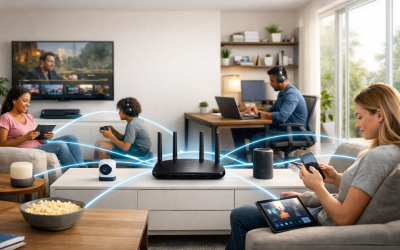
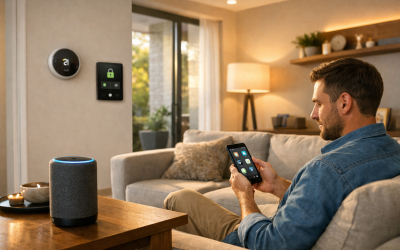
As more devices connect — smartwatches, cars, drones, even appliances — 5G+ handles them better than 4G ever could.
That’s because it’s built for massive device density: up to 1 million devices per square kilometer.
For urban users, that means fewer dropped calls and faster connections at concerts, events, or airports.
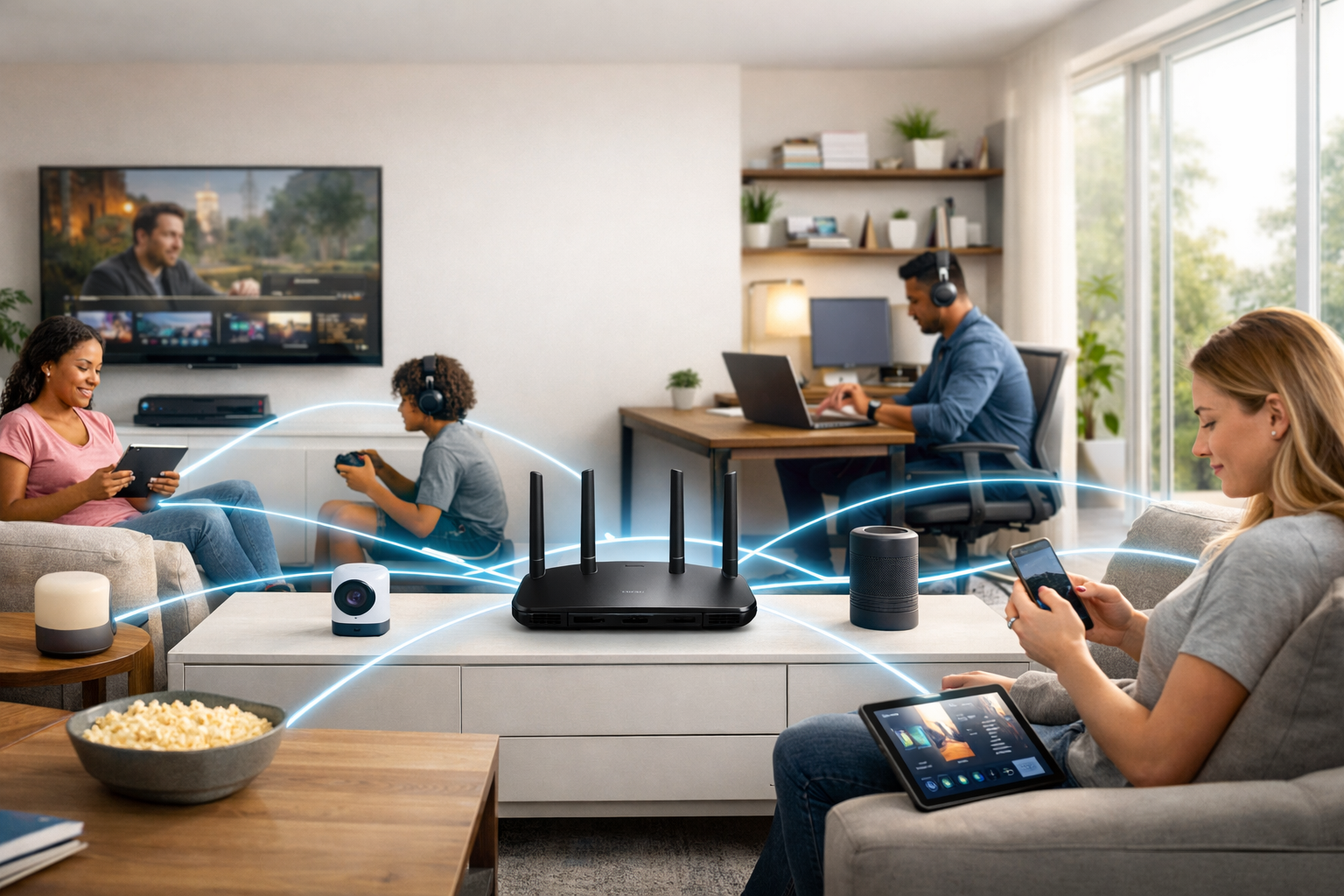
For smart homes and IoT users, it means your gadgets won’t slow each other down.
🌎 4. Better Coverage in New Places (and Indoors)
C-band 5G+ is rapidly expanding across Southeast Asia, Europe, and the U.S., covering more suburban and indoor areas than early 5G ever did.
This is especially noticeable in:
-
High-rise buildings (stronger indoor penetration)
-
Rural towns (as carriers repurpose 4G towers)
-
Public transport systems (metro, rail, airports)
If you often struggle with weak LTE signals inside malls or offices, you’ll see a tangible improvement with 5G+.
When You’ll Actually Feel the Difference
You’ll benefit the most from 5G+ if you:
-
Upload and download large media files regularly.
-
Use cloud gaming or stream 4K+ video often.
-
Work remotely and rely on hotspots or video conferencing.
-
Live in a 5G+ coverage zone (check your carrier’s map).
-
Own a 5G SA-compatible phone (most 2023–2025 flagships qualify).
Otherwise? The jump from 4G to 5G+ might feel less dramatic than the hype suggests.
When You Can Safely Skip (for Now)
You don’t need to rush into 5G+ if:
-
You’re mostly on Wi-Fi at home or work.
-
You’re in an area with spotty or inconsistent 5G coverage.
-
Your phone plan charges extra for “premium 5G.”
-
You’re happy with your current LTE speeds and reliability.
4G LTE is still remarkably capable — it handles HD streaming, social media, video calls, and even light cloud gaming without breaking a sweat.
Unless your job or hobbies rely on real-time data — like mobile editing, drone streaming, or cloud rendering — 5G+ isn’t essential yet.
The Hidden Downsides of 5G+
Let’s be honest: it’s not all sunshine and gigabits.
🔋 Battery Drain
5G+ radios (especially mmWave) use more power. Expect a 10–20% faster drain compared to 4G in areas with weak signals.
🌐 Coverage Gaps
High-band 5G+ still struggles with range — walls, rain, and trees can block signals. You’ll often fall back to standard 5G or even LTE without realizing it.
💸 Cost Creep
Some carriers bundle 5G+ in higher-tier plans. Unless you truly need the speed, it might not justify the extra cost.
How to Check If You’re Ready for 5G+
-
Check your phone:
-
Look for 5G SA (Standalone) or “5G Advanced” compatibility in settings or your device’s spec sheet.
-
Most 2023–2025 models (like Pixel 8, iPhone 15, Galaxy S24) support it.
-
-
Check coverage:
-
Visit your carrier’s website or use apps like Ookla 5G Map or OpenSignal.
-
-
Run a speed test:
-
Compare LTE vs 5G+ speeds in your usual spots.
-
If the difference isn’t big, your upgrade can wait.
-
What’s Next: 5G Advanced and Beyond
By late 2025, the first 5G Advanced networks will start rolling out — think of it as “5.5G.”
Expect:
-
Smarter AI-driven handoffs between towers.
-
20% better energy efficiency.
-
Better low-latency AR and industrial use-cases.
-
Early integration with satellite connectivity for rural areas.
That’s when 5G+ will truly shine — blending mobile, satellite, and IoT into one seamless experience.
Bottom Line: Should You Upgrade Now?
If your area has solid coverage and you rely heavily on mobile data, yes — 5G+ is worth it. The boost in speed, stability, and responsiveness is noticeable, especially for professionals, gamers, and travelers.
But if you’re mostly on Wi-Fi or living in a 4G-dominant region, you can comfortably wait. The network will mature further, and battery efficiency will improve in the next wave of phones.
In other words:
5G+ is finally real — but it’s not yet essential for everyone.
Sometimes, patience pays off more than a speed test ever could.