




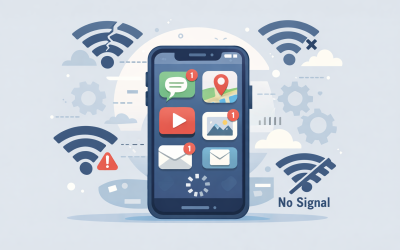






Why Offline-First Apps Are Making a Comeback in a Constantly Connected World
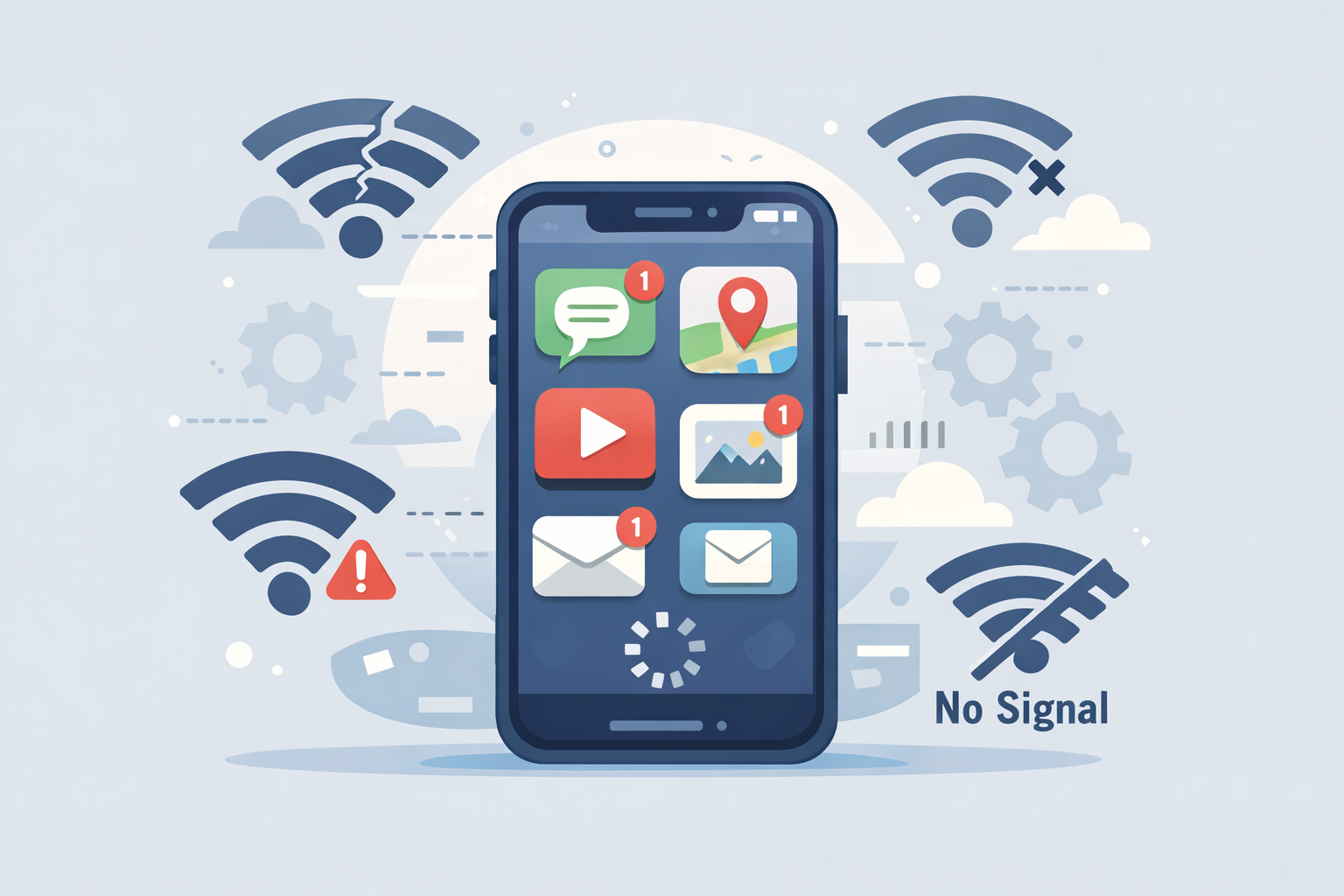
Why Offline-First Apps Are Making a Comeback in a Constantly Connected World
The Comeback of Offline-First Apps
Why digital products are rediscovering the power of functioning seamlessly without constant connectivity.
For the past decade, the tech world has operated under an unspoken assumption: internet access is ubiquitous, stable, and fast. Developers built cloud-dependent applications; businesses embraced real-time data processing; users grew accustomed to streaming, syncing, and collaborating in the moment.
But reality has pushed back. Network outages, congested public WiFi, rural dead zones, privacy concerns, and ballooning cloud reliance have all revealed a critical truth: being constantly connected doesn’t mean the connection is always reliable. And that’s where offline-first apps—once considered niche—are returning in force.
“Offline-first is not about eliminating the cloud. It’s about ensuring your product still works when the cloud isn’t available.”
As businesses focus more heavily on user trust and uninterrupted experiences, the offline-first philosophy has re-emerged as a cornerstone of resilient digital design.
Why Offline-First Is Becoming Relevant Again

The renewed shift toward offline-first experiences is not a retro trend—it’s a response to evolving user expectations and global connectivity challenges. People now use apps in environments ranging from remote villages to crowded airports to subway tunnels. They expect reliability, not excuses.
Growing Global Demand for Stability
Even in 2026, connectivity remains inconsistent for millions. A surprising 37% of global mobile users regularly experience unstable networks. When your app depends entirely on the cloud, every one of those drops becomes a broken experience—and users rarely forgive it.
Reliability as a Competitive Advantage
Products that work flawlessly—even when connectivity doesn’t—build user trust. Offline-first design ensures users can keep creating, saving, reading, or performing tasks regardless of network status. In a world with countless alternatives, reliability is revenue.
Key Takeaway
Offline-first isn’t just a technical strategy—it’s a user experience strategy rooted in reliability and trust.
What Makes an App Truly Offline-First?
An offline-first app isn’t simply an app that “still loads when you’re offline.” It’s a carefully architected system that treats local functionality as the default, with the cloud serving as a secondary enhancement. That shift in perspective changes everything—from database structure to UX flows to sync logic.
Local-First Data Storage
Offline-first apps store data locally first, then sync to the cloud. This means users can create notes, fill reports, track tasks, or manage transactions without any active internet. Tools like SQLite, IndexedDB, and local encrypted stores play key roles.
Smart Conflict Resolution
When users make changes offline and reconnect later, the app must reconcile data differences. Modern frameworks allow conflict resolution strategies such as last-write-wins, timestamp merging, user-driven conflict selection, or operational transforms.
Advanced Caching
Offline-first apps cache UI, sessions, assets, and data—creating instant load times and silky-smooth performance. Unlike traditional caching layers, offline-first systems treat cached data as the live environment.
Key Benefits Driving the Offline-First Resurgence
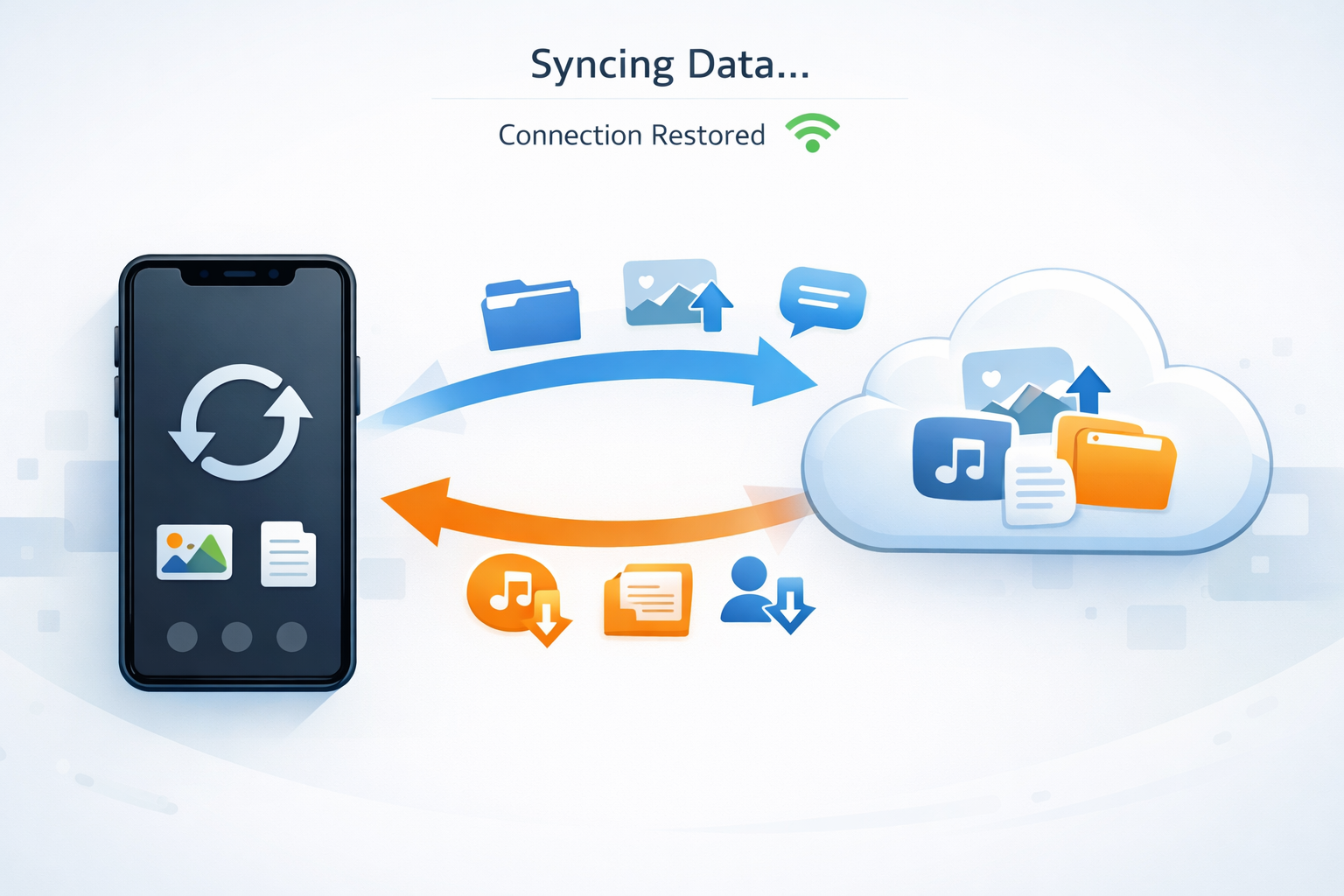
The modern shift toward offline-first development isn’t just philosophical—it’s practical. Businesses gain efficiency, users gain speed and reliability, and developers gain flexibility. The result is a stronger, faster, more resilient product.
1. A Better User Experience Anywhere, Anytime
An offline-first product feels faster and more dependable. Whether users are mid-flight, traveling abroad, or simply in a congested network zone, they can continue working without disruption.
2. Lower Cloud Costs and Server Load
When apps rely heavily on cloud APIs, every user action becomes a server expense. Offline-first reduces unnecessary hits, syncing intelligently instead of constantly. Over time, this can reduce infrastructure costs by 20–60% depending on the product.
3. Speed and Responsiveness
By using local processing and preloaded assets, offline-first apps consistently outperform purely cloud-powered ones—especially on low-end devices. Instant load times and minimal latency create an almost native-like feel in web apps.
Core Insight
Offline-first improves both performance and cost-efficiency—two critical pillars for scaling modern digital products.
Industries Leading the Offline-First Movement
While every industry can benefit from offline resilience, certain sectors are spearheading this movement because constant connectivity simply isn’t a guarantee in their workflows.
Field Services & Logistics
Workers in the field often travel through rural or industrial areas with unreliable signals. Offline-first enables them to stay productive regardless of conditions.
Healthcare & Emergency Services
In critical situations, waiting for a server response isn’t an option. Medical staff need patient records, procedural guides, and tools available instantly—even in basement facilities or disaster zones.
Travel, Finance & Productivity Tools
Travelers deal with roaming limitations, finance apps require uninterrupted data entry, and productivity tools thrive when users can work offline. These industries benefit enormously from offline-first strategies.
How Developers Can Embrace Offline-First Architecture
Building an offline-capable app isn’t just a toggle in your framework—it requires planning, structure, and a clear approach to data flow. The good news? Modern tools make it easier than ever.
Service Workers & PWAs
Service workers allow web apps to function offline, cache assets, intercept network requests, and sync data in the background. Combined with PWA features, they enable app-like reliability across mobile and desktop.
Local Databases
Tools like IndexedDB (for browsers), SQLite (for mobile), or Realm allow robust offline storage. Developers can mirror server data locally, enabling full functionality even without a network.
Synchronization & Conflict Resolution
A strong sync engine is the heart of offline-first design. Developers must define how data merges, how conflicts are resolved, and when syncing occurs. This ensures users see consistent, predictable results across devices.
Developer Tip
Design your app assuming the network is unreliable, and treat syncing as a background enhancement—not a requirement for functionality.
Conclusion: Why Offline-First Is the Future of Resilient Apps
Offline-first architecture is no longer optional—it’s a competitive differentiator. As users demand seamless experiences, and as global connectivity remains unpredictable, building locally resilient applications is quickly becoming the standard for world-class digital products.
Whether you’re building the next productivity tool, a global fintech app, or an enterprise field service platform, offline-first design provides the reliability, speed, and user trust you need to succeed.
Ready to Build a More Resilient App?
Explore how an offline-first approach can elevate your product's performance and reliability.