











The Rise of AI-Powered Personal Knowledge Graphs for Smarter Digital Organization
The Rise of AI-Powered Personal Knowledge Graphs
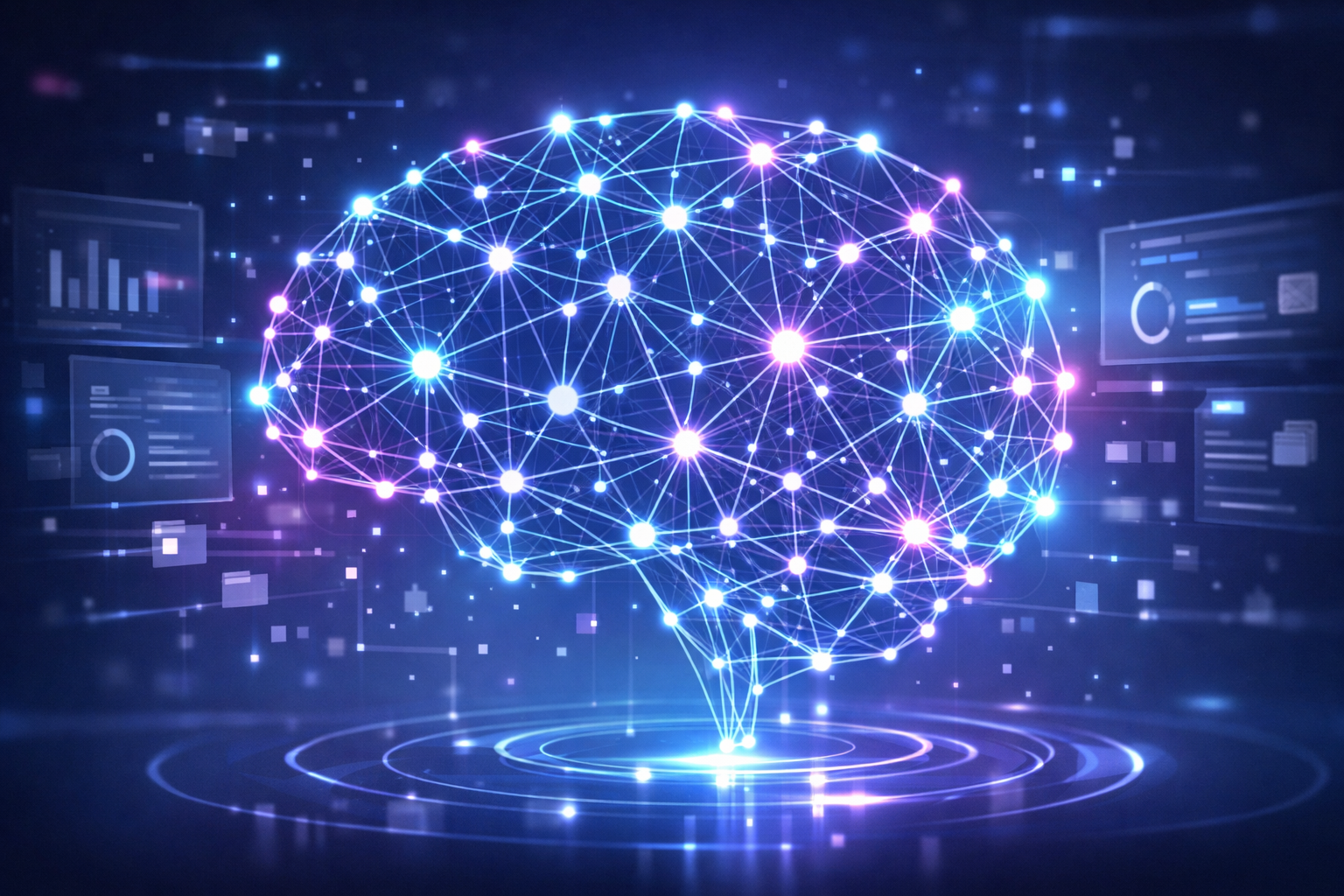
As our digital lives expand across countless apps, devices, and platforms, the challenge of staying organized has never been more complex. Traditional note-taking tools, folder systems, and bookmarking apps can no longer keep up with the dynamic, interconnected nature of modern information. This is where AI-powered personal knowledge graphs step in—ushering in a new era of intelligent, contextual, and deeply interconnected digital organization.
Unlike conventional productivity tools that store information in static containers, knowledge graphs map relationships—revealing how ideas, documents, tasks, and concepts intertwine. When enhanced by AI, they evolve from simple data structures into adaptive systems capable of surfacing insights, making recommendations, and helping users think more clearly.
What Are Personal Knowledge Graphs?
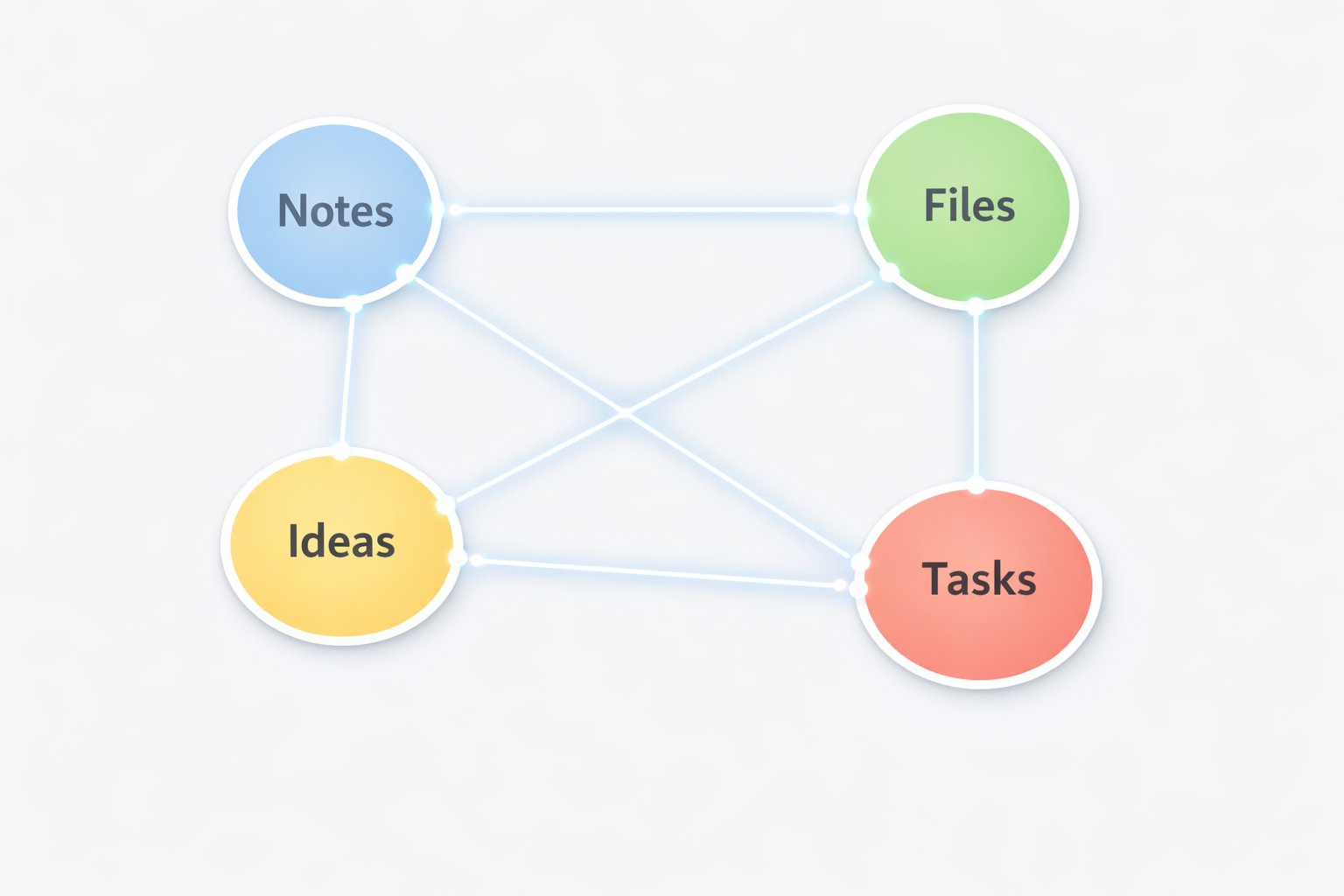
A personal knowledge graph is a visual and structural representation of the information in your digital life. Instead of storing knowledge in isolated silos—like folders or categories—knowledge graphs link pieces of information based on meaning, context, and relevance.
At a basic level, each idea, document, or note becomes a "node," and the lines connecting them represent relationships. But in advanced personal knowledge graphs, these relationships also capture context: how a research note relates to a task, which articles influenced a project, or how conversations connect to future ideas.
- They map relationships between ideas, files, tasks, and even people.
- They reveal how information clusters, evolves, and influences other concepts.
- They act as a living, breathing model of your thinking over time.
AI elevates this even further by analyzing your writing, projects, saved content, and browsing habits to automatically infer connections you may not have noticed. The result is a smarter, more intuitive way to organize information that grows with you.
“A knowledge graph doesn’t just store your ideas—it understands the relationships between them, helping you think better and faster.”
Why AI Is Transforming Personal Knowledge Management
Until recently, building and maintaining a personal knowledge graph required manual effort—tagging notes, linking concepts, and curating relationships. AI transforms this process entirely by automating the most tedious parts and adding intelligence to the structure.
Intelligent Content Discovery
One of AI’s most powerful capabilities is its ability to surface relevant content automatically. Instead of digging through archives or searching manually, users are presented with notes, articles, or files that relate directly to what they are working on.
- Recommendations appear contextually while writing or researching.
- Related concepts are suggested based on patterns in your data.
- Search results become more accurate and personalized over time.
Pattern Recognition for Deeper Insight
Machine learning identifies hidden patterns across scattered content. Perhaps you frequently research a topic without realizing it, or several notes across different projects share a common theme. AI can detect these signals and surface them as insights, helping transform raw information into meaningful knowledge.
Real-World Benefits of AI-Powered Knowledge Graphs
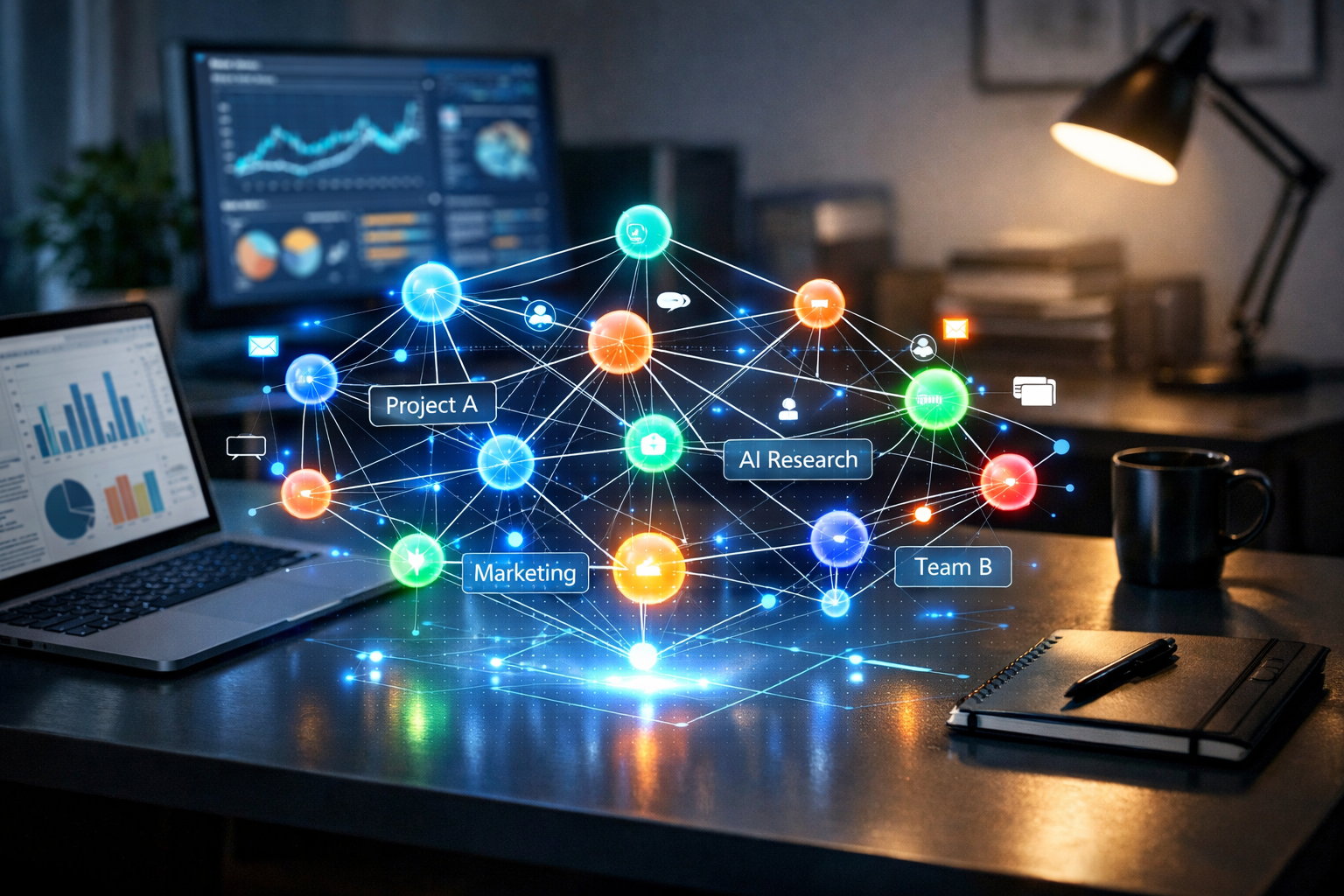
The impact of AI-enhanced knowledge graphs extends far beyond organization. Individuals and teams who adopt these tools report improvements in productivity, creativity, and decision-making.
Improved Productivity Through Automation
AI automates tasks like sorting, categorizing, and linking new information. Instead of spending time managing files or adding tags, you can focus directly on your work while the system organizes everything behind the scenes.
- Automatic clustering of related notes
- Instant content retrieval through semantic search
- Smart reminders triggered by context, not dates
Enhanced Creativity Through Serendipitous Connections
Creativity often emerges from unexpected connections. AI-powered knowledge graphs can surface relationships between ideas that seem unrelated at first, sparking new insights and helping generate fresh perspectives.
“Some of the best ideas come from the moments when unrelated thoughts collide—and AI accelerates those collisions.”
Smarter, More Confident Decision-Making
When information is interconnected and contextualized, decisions become clearer. Knowledge graphs provide a comprehensive view of relevant data, helping individuals and teams evaluate choices based on a richer understanding of their work and goals.
How These Tools Are Shaping the Future of Work and Learning
AI-powered knowledge ecosystems are poised to become central components of digital workflows. As these systems continue to evolve, they will increasingly anticipate user needs, personalize information delivery, and integrate seamlessly across tools and platforms.
The future of work and learning will be defined by adaptive systems that continuously learn from user behavior. These systems won’t just store information—they will understand context, preferences, and goals, enabling them to deliver more accurate recommendations and support.
Conclusion: The New Era of Intelligent Digital Organization
AI-powered personal knowledge graphs represent a significant leap forward in how we manage information. By mapping relationships, identifying patterns, and surfacing insights, these tools help us understand our digital lives in richer, more meaningful ways.
Whether you're a researcher, a knowledge worker, a creator, or simply someone overwhelmed by digital clutter, adopting a personal knowledge graph can transform the way you think, work, and learn.
Ready to Embrace Intelligent Knowledge Management?
Explore how AI-powered personal knowledge graphs can transform the way you organize your digital life.