




Edge Computing Explained Simply — Why Your Devices Are Getting Smarter

The last decade of technology revolved around “the cloud.” Everything moved online — files, storage, apps, processing. Instead of your computer doing the heavy lifting, massive data centers did it for you.
But something interesting is happening now:
The power is quietly moving back to your devices.
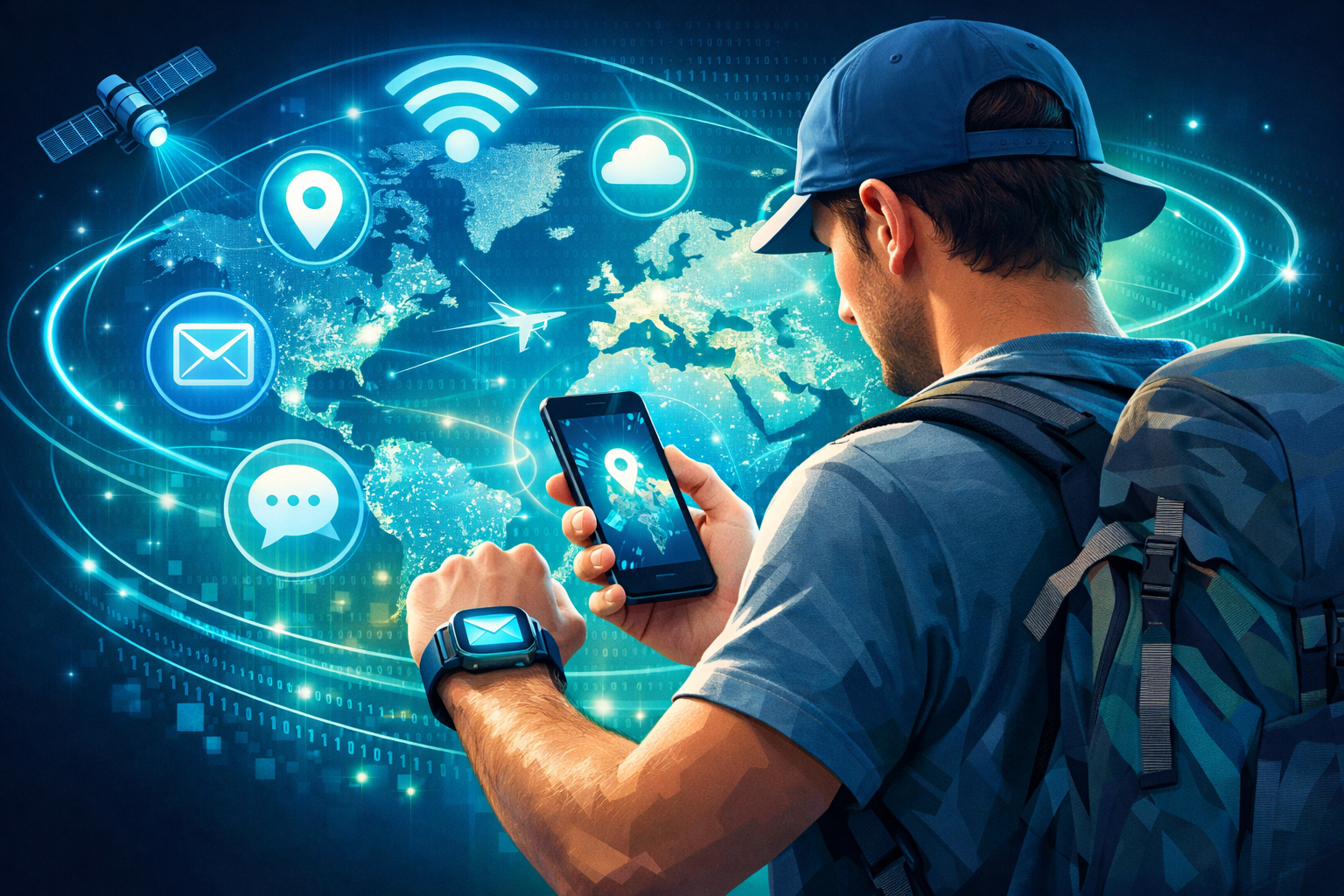
Your phone, laptop, smartwatch, car, smart home gadgets… they’re all becoming smarter. Faster. More independent. Able to think and react without constantly “checking in” with the cloud.
That shift is powered by something called edge computing.
Let’s explain it simply — without buzzwords, without engineering jargon, and without headaches.
☁️ The Problem With Relying Only on the Cloud
Cloud computing isn’t going anywhere — it’s still essential. But it has limits.
Every time your device sends data to the cloud and waits for a response, things slow down. That creates problems when:
-
speed matters
-
privacy matters
-
reliability matters
Think about:
-
smart cars needing to react instantly
-
medical devices responding to health data
-
security cameras detecting threats
-
AR glasses rendering information in real time
-
AI assistants responding instantly
Waiting for a distant server isn’t always ideal.
That’s where edge computing steps in.
🚀 What Is Edge Computing? (The Simple Version)
Instead of sending everything far away to the cloud, devices do more processing locally — at the “edge” of the network.
In other words:
Your device → Thinks for itself
Instead of
Your device → Sends to the cloud → Waits → Gets answer
The “edge” simply means:
-
your phone
-
your laptop
-
your car
-
local mini-servers near you
They process data right where it’s created.
Result?
✔ faster
✔ more private
✔ less bandwidth needed
✔ more reliable
📱 You’re Already Using Edge Computing (Without Realizing It)
This isn’t futuristic tech. You’re surrounded by it already.
Your smartphone
Photo enhancements, face recognition, voice processing — much of that happens on-device now, not online.
Smart home devices
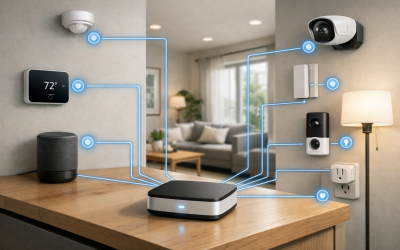
Lights, sensors, doorbells, and thermostats react instantly, even if Wi-Fi hiccups.
Wearables
Watches track heart rate, health metrics, workouts — processing data independently.
Cars
Modern vehicles analyze surroundings, monitor safety, and assist driving in real time.
AI features
More AI models are running locally on devices instead of needing constant cloud access.
Edge computing is the reason things “just feel faster” lately.
⚡ The Biggest Benefits of Edge Computing
1️⃣ Speed — instant reactions
No cloud round-trip. No lag.
Perfect for automation, health tech, safety systems, and AI.
2️⃣ Privacy — data stays with you
Less data leaves your device.
Sensitive information can be analyzed locally.
-
fewer privacy risks
-
fewer centralized leaks
-
more personal control
3️⃣ Reliability — works even without perfect internet
If your smart system relies only on cloud, everything breaks when your Wi-Fi does.
Edge devices?
They keep working.
4️⃣ Cost & Efficiency
Less bandwidth = less data = less cost for companies and users.
It also reduces pressure on massive data centers — helping sustainability efforts too.
🧠 Edge + AI = Smarter Everything
The real magic happens when you combine edge computing with AI.
Instead of AI living only in giant servers, it starts living on your devices.
That means AI can analyze images locally, respond instantly and adapt to your behavior.
We move toward ambient intelligence — tech that quietly supports life without constantly demanding attention.
🌍 Where Edge Computing Is Heading Next
We’re just at the beginning.
Expect huge leaps in:
-
healthcare monitoring
-
autonomous systems
-
smart cities
-
industrial automation
-
education tech
-
personal assistants
-
AR + VR experiences
Edge computing isn’t replacing the cloud — it’s partnering with it.
Think of it as a balance:
Cloud = big brains, big storage
Edge = quick thinking, instant reactions
Together, they create the next generation of computing.
🎯 The Bottom Line
Your devices are getting smarter not by magic — but because they’re learning to think locally instead of relying on distant servers for everything.
And most of it will happen so smoothly that everyday users won’t even notice. They’ll just feel like technology finally caught up to real life.
And honestly… that’s exactly the point.