




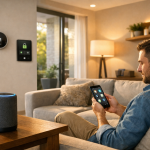
The Dawn of Ambient Computing: When Tech Works Without Screens

For decades, our relationship with technology has been defined by the screens we look at. From the first desktop monitors to the smartphones in our pockets, the screen has been the window into the digital world. But what if that window quietly disappeared? What if technology could work for us without demanding that we constantly stare, swipe, or tap?
Welcome to the dawn of ambient computing—a new era where technology doesn’t just live in apps or devices, but in the environment around us. It’s subtle, almost invisible, and designed to fade into the background of daily life.
From Devices to Experiences
In the past, the digital revolution was marked by shrinking screens: from desktops to laptops, from laptops to tablets, from tablets to smartphones, and finally to smartwatches. Each step made technology more personal and portable. But the next leap isn’t about size—it’s about presence.
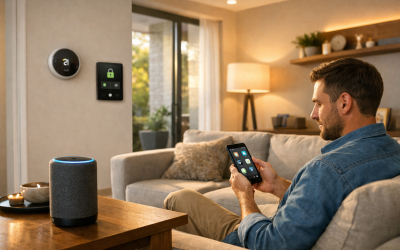
Ambient computing takes the intelligence of modern devices and spreads it into the spaces we inhabit. Instead of pulling out a phone to set a reminder, your home might recognize your schedule and adjust your lighting when it’s time to focus. Instead of opening an app to check the weather, your kitchen window could display it in subtle projections as you pour your morning coffee.
It’s not about replacing screens entirely, but about reducing our dependency on them by embedding technology into the fabric of everyday life.
What Ambient Computing Looks Like Today
Ambient computing isn’t a far-off dream—it’s already happening, though sometimes we don’t notice because that’s precisely the point.
Smart speakers like Alexa and Google Home were the first mainstream step, letting us interact with technology through voice rather than screens. Wearables such as smart rings or earbuds quietly track health and deliver nudges without requiring visual interaction. Even cars are evolving into ambient environments, using sensors and AI to adjust driving assistance, music, or navigation based on context.
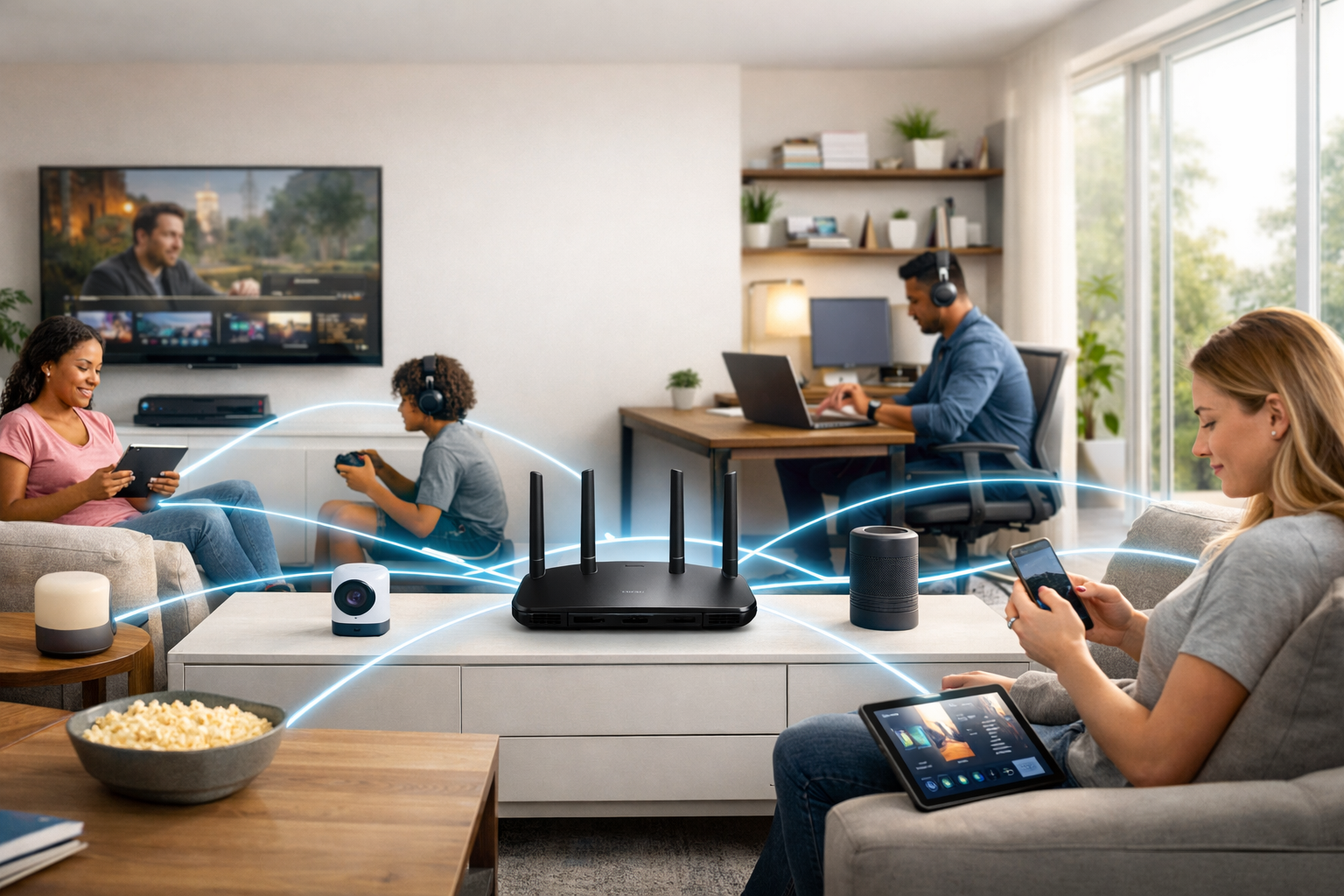
But ambient computing goes beyond individual gadgets. It’s about creating an ecosystem where multiple devices and services blend seamlessly. For example, imagine walking into a conference room where the lights adjust automatically, your calendar launches on the wall display, and the room’s audio system connects to your device—without you pressing a single button.
The Technology Behind the Curtain
The magic of ambient computing isn’t magic at all—it’s a convergence of technologies that have matured enough to work together. Artificial intelligence interprets context and intent. IoT (the Internet of Things) connects devices so they can share information. Sensors—from motion detectors to biometric scanners—feed real-time data. Cloud computing and edge processing make it possible to handle all this information almost instantly.
Together, these building blocks create systems that don’t just wait for explicit commands, but anticipate needs. A home thermostat that adjusts when it senses you’re stressed and need cooler air. A workspace that knows when to silence notifications because you’ve entered a deep focus session.
The goal is simple: less time managing devices, more time living.
Why It Matters
At first glance, ambient computing may sound like a convenience—a way to shave off a few seconds from daily tasks. But its implications are far deeper.
For one, it changes how we think about productivity. Instead of being tied to apps and screens, we move toward an environment that adapts to our work style. Imagine brainstorming in a room where AI listens and organizes your spoken ideas into a digital mind map, projected subtly on the wall, without anyone pulling out a laptop.
It also impacts accessibility. For people who struggle with screens—whether due to disability, age, or distraction—ambient computing provides new ways of engaging with technology. Voice, gesture, touch, and even context-aware automation make the digital world more inclusive.
On a cultural level, it represents a shift away from screen addiction. If technology can fade into the background, maybe our eyes and attention can return to the world around us—our families, our work, our environments—without losing the benefits of connectivity.
The Challenges of Living With Invisible Tech
As promising as it is, ambient computing comes with challenges that society is only beginning to grapple with.
The biggest is privacy. When your environment is filled with sensors and microphones, who owns that data? How secure is it? Will your home assistant know when you’re stressed, and if so, will that data stay private—or be sold to advertisers?
There’s also the risk of over-automation. While it sounds helpful for technology to anticipate our needs, it can quickly cross into creepiness when machines act before we want them to. Striking a balance between convenience and control will be crucial.
Finally, there’s the issue of reliability. If your digital identity is tied to invisible systems in your home or workplace, what happens when those systems fail? Ambient computing will need redundancy and transparency to truly earn trust.
A Glimpse Into the Future
Looking ahead, ambient computing could redefine not just how we use technology, but how we design our environments. Homes built in the 2030s may come with ambient systems baked into the architecture: walls that double as displays, lighting that shifts with circadian rhythms, HVAC systems that respond to biometric cues.
Workplaces may transform into “cognitive spaces,” where technology senses the purpose of a meeting—collaboration, focus, or creativity—and shapes the environment accordingly. Even public spaces could adopt ambient computing, from airports that guide you seamlessly to your gate to cities that adjust traffic signals dynamically based on real-time flow.
In many ways, ambient computing is the natural next step after mobile computing. Instead of carrying our devices everywhere, our environments become the device.
Final Thoughts
The dawn of ambient computing is not about erasing technology, but about making it less visible and more human. It’s a quiet revolution: shifting from devices we constantly command to environments that quietly serve us.
We’re only beginning to see what this looks like—through smart speakers, adaptive homes, wearable sensors—but the trajectory is clear. Over the next decade, the best technology may be the kind we no longer notice, yet rely on every moment.
As one futurist put it: “The future of computing isn’t in our hands or on our desks. It’s in the air around us, woven into the spaces we live in.”
That’s the promise of ambient computing: a world where technology simply works, without demanding that we look at a screen to prove it.