









How Personal Data Pods Could Redefine Online Privacy and User Control

How Personal Data Pods Could Redefine Online Privacy and User Control
Online privacy has reached a breaking point. For years, consumers have witnessed an internet where every click, search, purchase, and preference becomes fuel for massive data-driven ecosystems. Tech platforms have thrived on centralized data collection, algorithmic profiling, and opaque systems of data exchange that few users truly understand. But a new paradigm is emerging—one that places ownership, choice, and oversight directly into the hands of individuals. Personal data pods are at the heart of this transformation. Rather than allowing personal information to live scattered across countless company servers, data pods offer a unified and user-controlled space where data is stored securely, and access is granted only when the user explicitly allows it. This shift has the potential to reshape not only privacy but the entire structure of digital relationships between users and platforms.
What Are Personal Data Pods?
Personal data pods are secure digital containers that store an individual’s personal information—from profile details and browsing history to health data and financial records. Unlike traditional data storage models, where companies collect and hold user data on their centralized servers, data pods belong to the user. They act as a private vault, with the user controlling who can see, use, or modify the information within.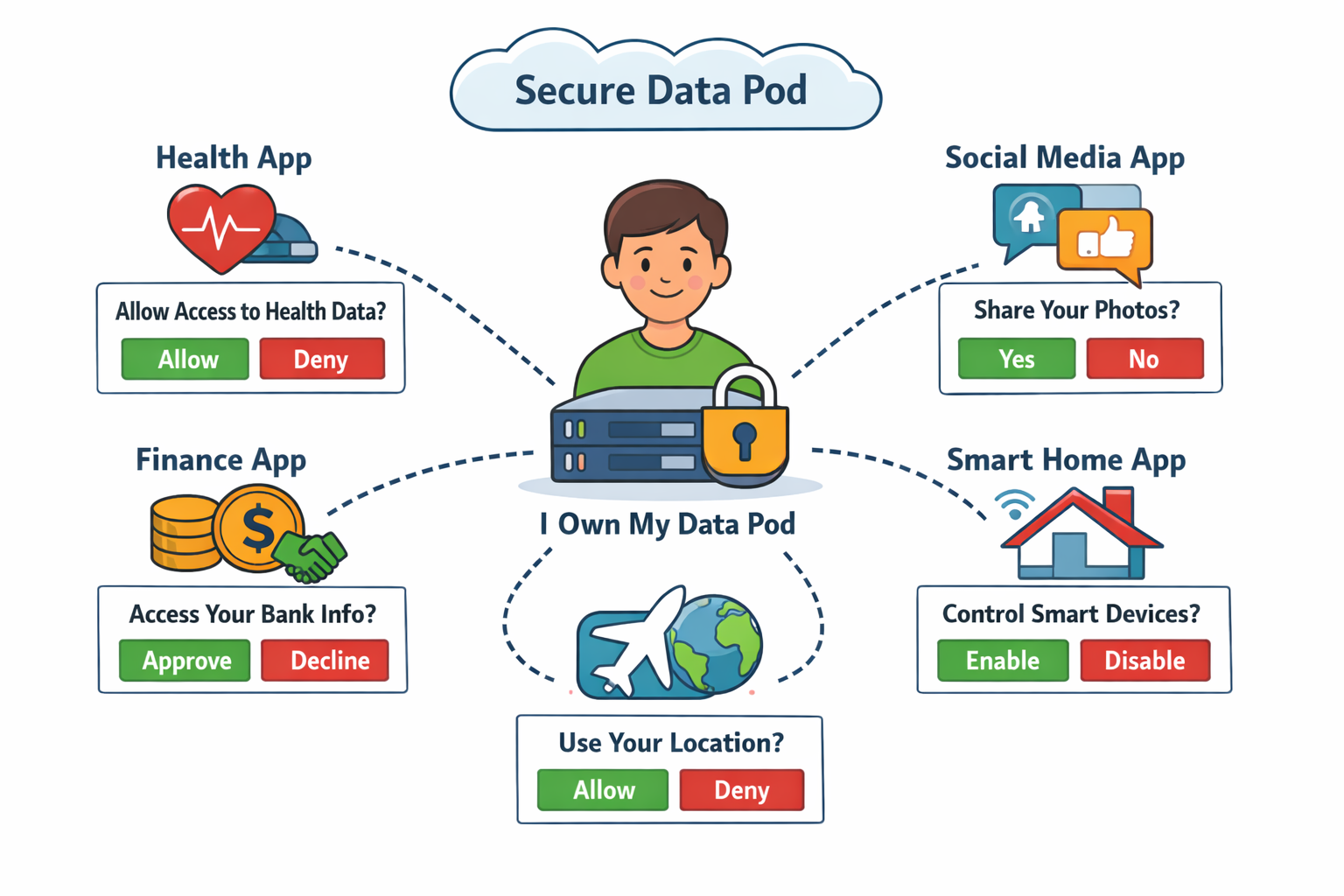
Roots in the Solid Project
The concept of data pods began gaining traction through the Solid project, an initiative led by Sir Tim Berners-Lee, inventor of the World Wide Web. Solid’s mission is to rebuild the web with user empowerment, privacy, and data ownership at its core. Instead of web applications storing data internally, they request access to what they need from a user’s pod—only with permission, and only temporarily.Separation of Data and Applications
At the heart of data pod design is the separation of applications from the data they rely on. This architecture overturns the traditional model where platforms accumulate and retain vast stores of personal information. With data pods, applications become visitors, not landlords. They borrow what they need but never own the data—and users can instantly revoke access.Key Takeaway:
Personal data pods give users unprecedented control by decoupling personal data from the platforms that use it.
Why Personal Data Pods Matter for Online Privacy
The privacy advantages of data pods are substantial. They directly address many of the structural problems that have fueled mistrust in digital platforms over the past decade.Total Permission Control
Data pods allow users to decide exactly who can access their data, for what purpose, and for how long. This level of granularity is nearly impossible in conventional systems. Whether it’s a fitness app requesting step data or an e-commerce site asking for shipping details, the user retains the authority to approve or deny each request.Reduced Risk of Data Breaches
Centralized databases are frequent targets for cyberattacks. With pods, data is spread across millions of decentralized containers instead of being stored in a few high-value databases. This dramatically reduces the impact and probability of mass data breaches.“A decentralized approach to personal data storage doesn't just protect users—it's the most effective long-term strategy for reducing systemic cybersecurity risks.”
Eliminating Platform Overreach
Many digital platforms rely on extensive data collection to power advertising models and algorithmic personalization. Data pods disrupt this by giving users the ability to share only what is necessary. In a pod-driven ecosystem, companies must win trust instead of assuming consent by default.The Impact on Businesses and Digital Platforms
The rise of personal data pods signals a major shift in the digital economy. Companies accustomed to mining personal data for profit will need to adapt to a world where user control becomes non-negotiable.From Data Hoarding to Value Creation
With pods, companies can no longer rely on accumulating user data as a competitive advantage. Instead, they must differentiate through the quality of their services, user experience, and trustworthiness. This shift could elevate more ethical and user-focused businesses across every industry.Consent-Driven User Engagement
Personal data pods enable a new class of consent-based interactions. Every data request becomes transparent and reversible. Companies that build systems respecting this model may gain a long-term edge as consumers become increasingly privacy-conscious.Restoring User Trust
Transparency is a major factor in consumer trust. Pods make data usage clear and trackable. Users can see exactly when and why each company accessed their information, leading to more honest and accountable digital relationships.Real-World Use Cases Emerging Today
Although data pods are still evolving, several promising use cases are already emerging across healthcare, smart home ecosystems, and social platforms.
Healthcare Data Ownership
Medical data is among the most sensitive personal information—and often the most fragmented. Personal data pods allow patients to store medical records securely and grant temporary access to doctors, specialists, or apps. This simplifies sharing, reduces duplicate tests, and gives patients complete visibility over how their data is used.Smart Home Device Interoperability
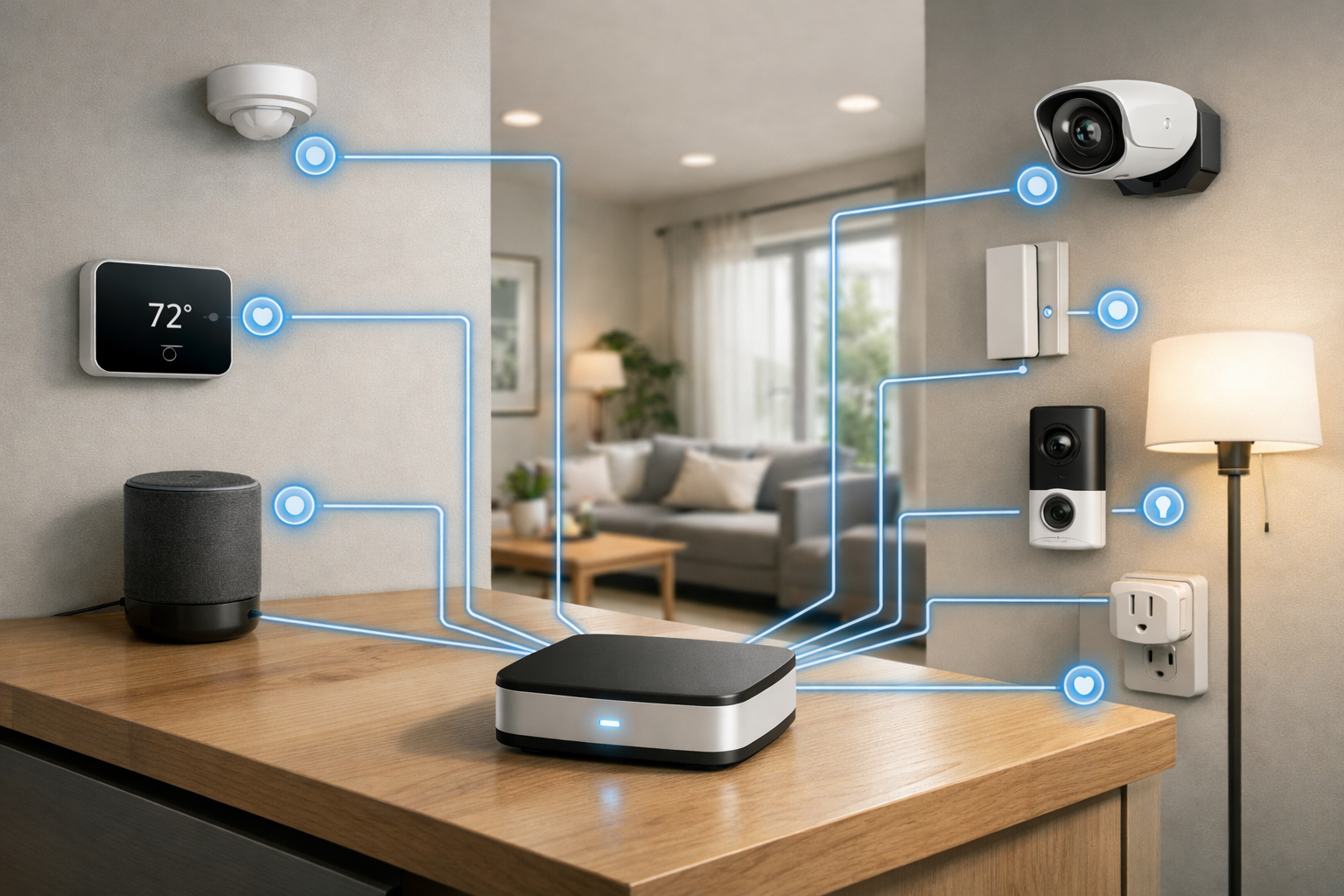
As connected devices proliferate, so do privacy concerns. Data pods enable smart home gadgets to interact with user-owned data rather than uploading everything to manufacturer servers. Each device requests specific permissions, giving users unparalleled control over their household data.User-Owned Social Profiles
Imagine social networks where the platform no longer stores your posts, photos, or connections. Instead, your profile lives inside your pod, and the platform simply renders the content with your permission. This approach could fundamentally reshape social media’s long-standing issues with data retention and misuse.Challenges and Barriers to Adoption
Despite their promise, personal data pods face several barriers before achieving widespread acceptance.Technical Complexity
Early pod solutions can be difficult for non-technical users to manage. The industry must focus on developing intuitive interfaces, automated guidance, and user-friendly tools that make data pods as easy to use as email or cloud storage.Limited Platform Compatibility
For pods to become mainstream, major platforms must adopt interoperability standards. Without broad support from consumer apps and services, pods risk becoming isolated data silos rather than universal privacy tools.Regulatory and Legal Hurdles
Governments are still wrestling with how to regulate decentralized personal data storage. Policies will need to evolve to define data rights, ensure accountability, and support user-owned data frameworks across borders.Key Takeaway:
Personal data pods are powerful—but they require industry collaboration, regulatory evolution, and intuitive design to reach their full potential.