



How Edge Computing Powers Real-Time Smart Home Automation Without Relying on the Cloud
How Edge Computing Is Transforming Real-Time Smart Home Automation
Smart homes have rapidly evolved from simple app-controlled gadgets to fully synchronized ecosystems capable of making decisions on our behalf. Lights turn on before we enter the room, cameras identify familiar faces, and voice assistants understand increasingly natural commands. Yet behind this convenience lies a major challenge: the need for instantaneous, reliable automation. Traditional cloud-reliant systems often introduce delay, privacy risks, and vulnerability to outages. That's where edge computing becomes a game-changing foundation for the next generation of smart homes.
“Edge computing moves intelligence closer to where data is generated—providing the backbone for real-time, secure, cloud-independent smart home automation.”
In this in-depth guide, you’ll learn how edge computing works inside a modern smart home, why it enables faster automation, and what benefits (and challenges) come with minimizing cloud dependence. Whether you're a homeowner, IoT enthusiast, or system designer, understanding this shift will help you build smarter, safer, and more resilient connected environments.
What Is Edge Computing in Smart Homes?
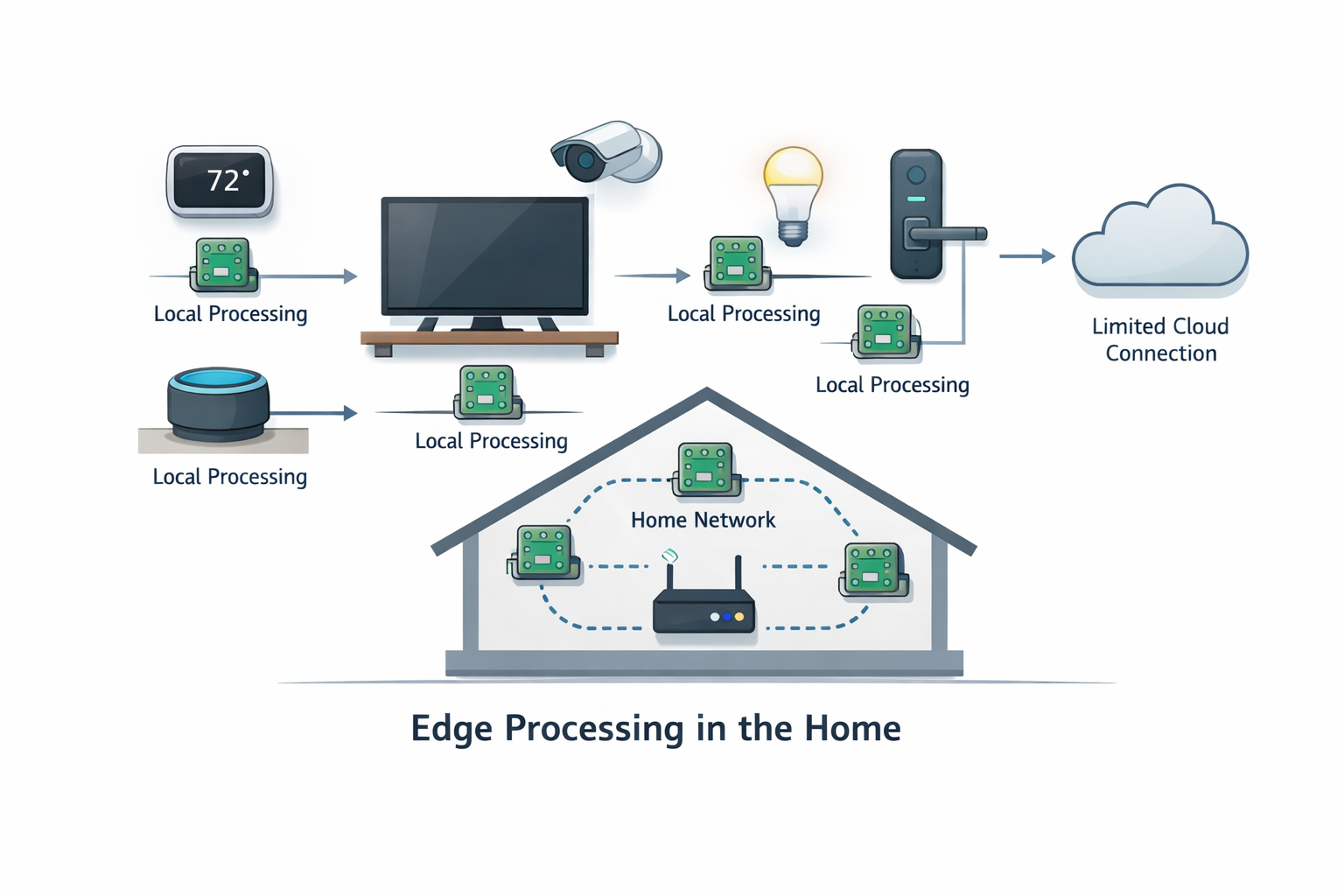
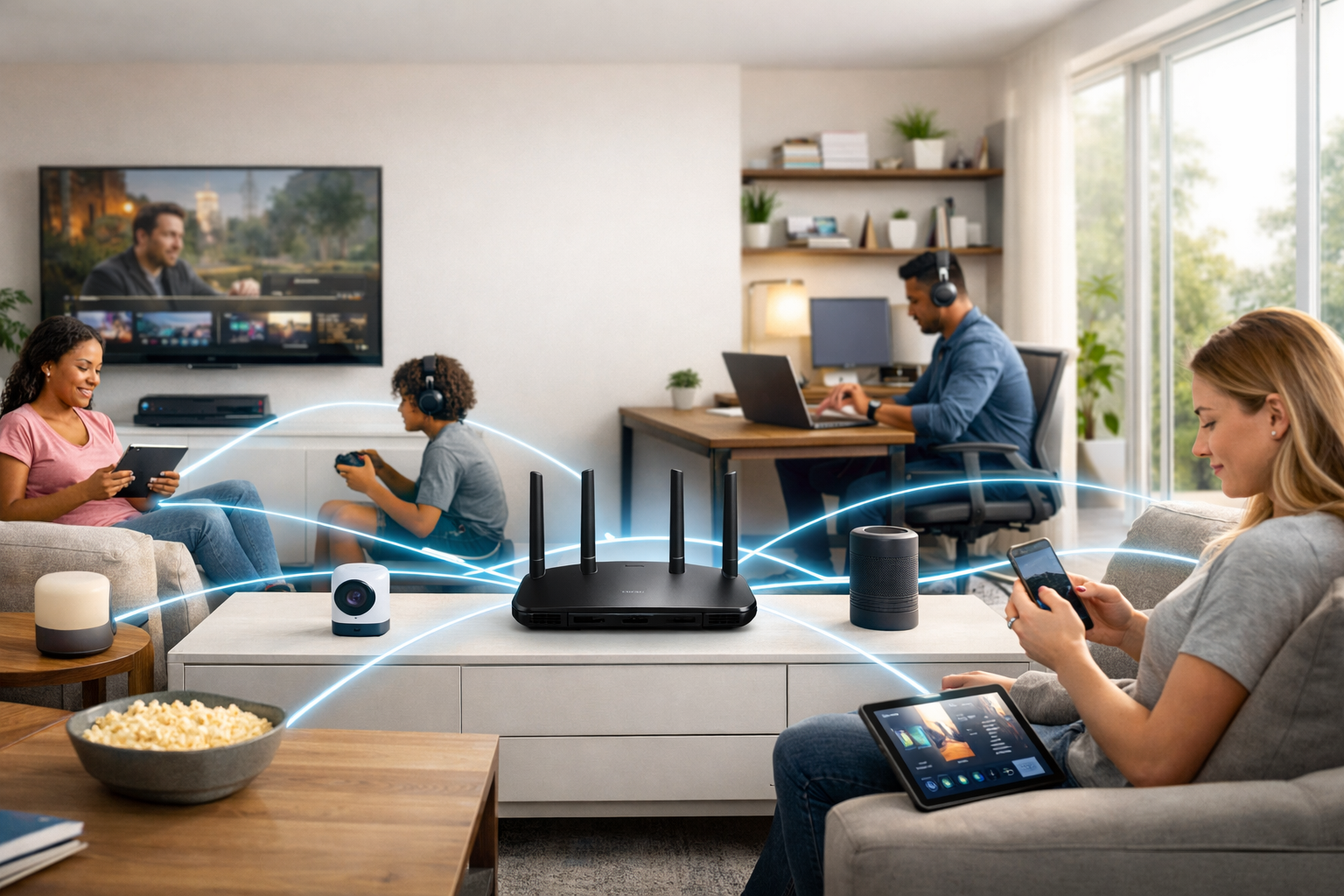
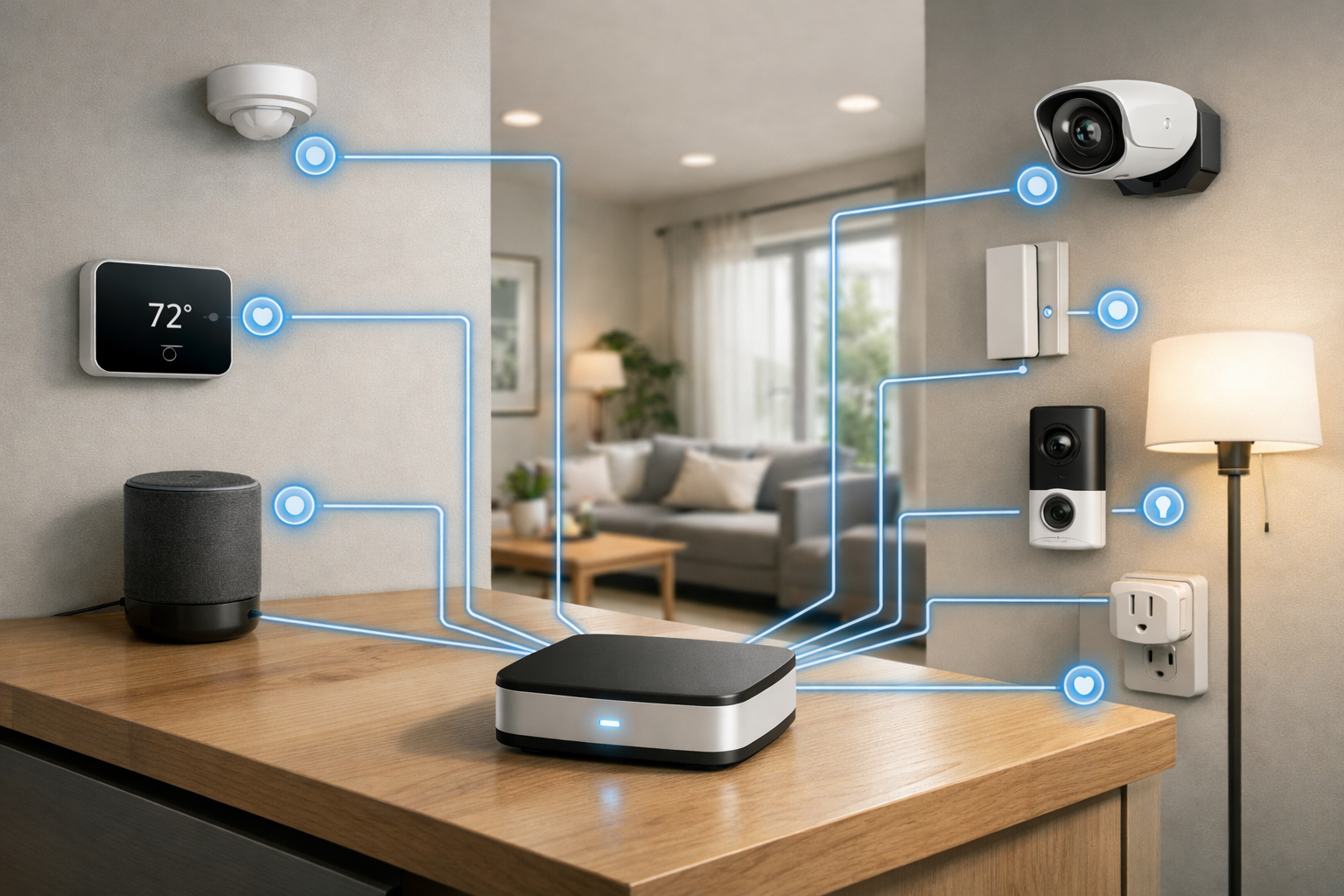
Edge computing is a decentralized approach where data processing occurs directly on devices within your home—such as smart speakers, thermostats, hubs, or dedicated microprocessors—rather than relying on remote servers. Instead of sending every command, sensor reading, or audio clip to the cloud, edge-enabled devices analyze and respond to data right where it’s created.
- Edge computing brings data processing closer to the devices in your home rather than relying on distant cloud servers.
- This reduces latency, improves reliability, and offers more secure handling of sensitive information.
Think of it as giving your smart home its own built-in “brain,” capable of making decisions independently. The cloud becomes optional—not mandatory. This localized intelligence dramatically improves automation performance and security while reducing ongoing dependency on external infrastructure.
Why Real-Time Automation Needs Edge Processing
Real-time smart home interactions depend on speed. Even a delay of half a second can make automated actions feel sluggish or unresponsive. Unfortunately, cloud-based automation introduces several speed barriers: internet bandwidth, server congestion, routing delays, and processing queues. These become especially noticeable in tasks that require instant reaction.
- Cloud delays can cause automation lags, making features like motion-triggered lighting or voice activation slower.
- Edge devices enable immediate response times, supporting seamless and natural interactions.
Imagine walking into a dark hallway and waiting an awkward moment before the lights respond. Or asking your voice assistant to pause music and hearing silence before the system reacts. With edge computing, these micro-delays disappear because the device processes the trigger right there on the spot—no detour to the cloud required.
This is especially important for applications that rely on moment-to-moment awareness, such as fall detection for elderly residents, smart locks verifying access, or cameras distinguishing between pets and people. Local processing ensures the environment adapts instantly, naturally, and reliably.
Enhancing Privacy and Security Through Local Processing
One of the biggest motivations for adopting edge computing is improved privacy. When devices process data locally, far less information needs to be transmitted to or stored on remote servers. This dramatically reduces exposure to breaches, hacking attempts, and unauthorized surveillance.
- Sensitive data such as voice recordings, camera feeds, and biometric data stays within the home.
- Reduced external data transmission lowers the risk of cyberattacks on cloud systems.
Consider the implications: A cloud-dependent camera continuously streams footage to external servers for analysis, creating many opportunities for interception or misuse. An edge-enabled camera analyzes video locally, storing only essential metadata or alerts. The difference is night and day for privacy-conscious users.
In an era where digital trust is paramount, edge computing gives homeowners more control over how their data moves—and who gains access to it.
Examples of Edge-Enabled Smart Home Applications
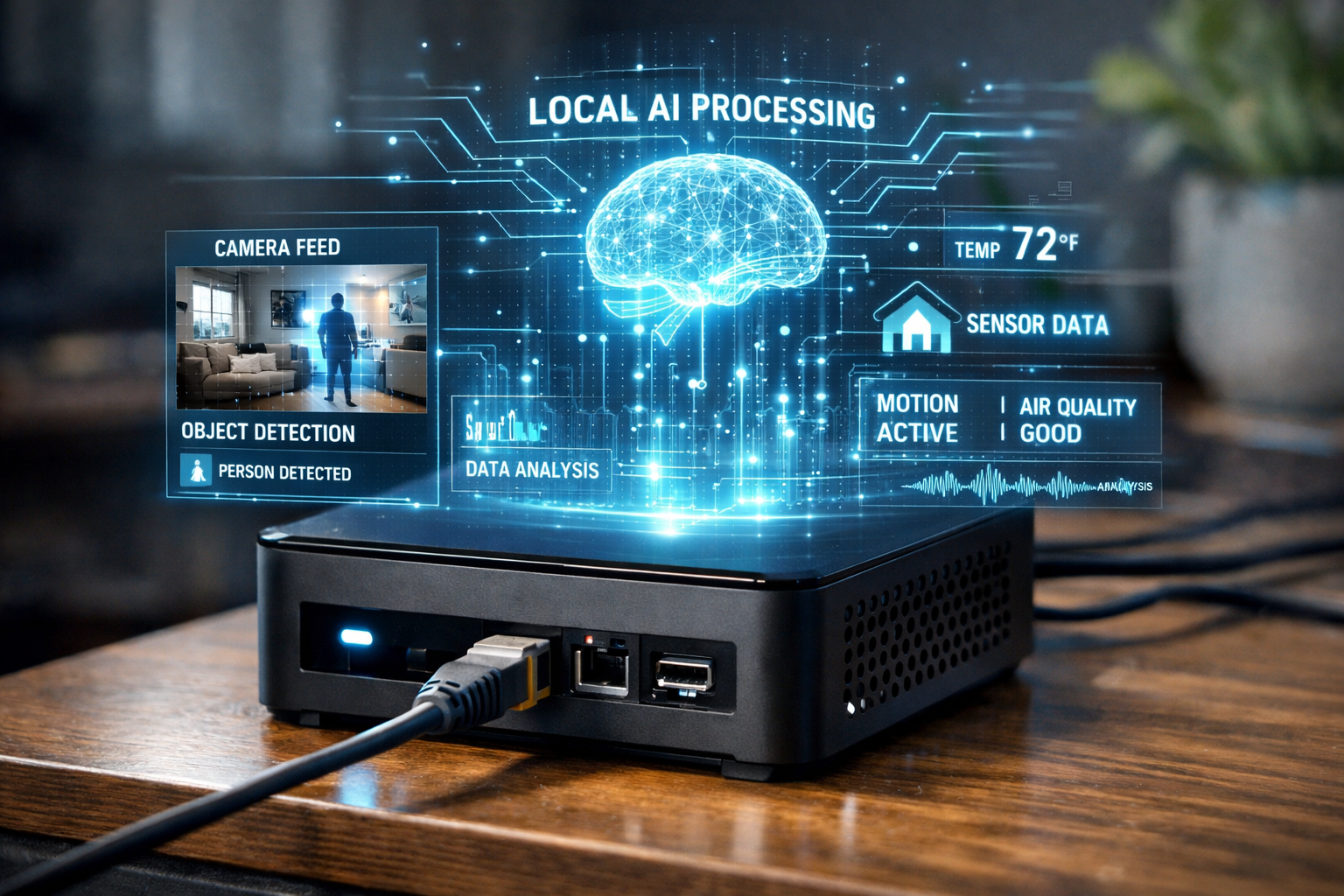
Edge-enabled smart homes unlock powerful features that once required cloud processing. Today’s hardware is strong enough to run machine learning models, voice recognition systems, and real-time sensor analysis directly on-device.
- AI-powered cameras that analyze footage locally without sending video to remote servers.
- Smart thermostats that adjust instantly based on in-home sensor feedback.
- Voice assistants that recognize commands without cloud processing.
For example, modern AI cameras can differentiate between vehicles, strangers, pets, and household members—all without streaming a single video frame outside your home. Meanwhile, edge-based voice assistants offer rapid responsiveness and greater privacy by keeping audio data offline.
These innovations make interaction smoother, safer, and more reliable, paving the way for smart homes that function like attentive, adaptive ecosystems rather than disconnected gadgets.
Limitations and Challenges of Cloudless Smart Homes
While edge computing offers immense benefits, it’s not without trade-offs. Local processing requires more powerful chipsets, which can increase device costs. The most advanced features—such as remote access from outside your home network—still benefit from optional cloud support.
- Initial device costs may be higher due to more powerful onboard processors.
- Advanced features like remote access may still require optional cloud connectivity.
Additionally, not all manufacturers prioritize offline functionality, meaning some ecosystems still rely heavily on cloud infrastructure for core features. Consumers should evaluate product capabilities carefully, especially if local privacy and real-time performance are top priorities.
Conclusion: The Future of Smart Homes Is Local, Fast, and Private
Edge computing represents a pivotal shift in how smart homes operate. By processing data locally, these systems deliver lightning-fast response times, stronger privacy protections, and greater resilience against internet outages. As device hardware continues to improve, more manufacturers are embracing this model—leading to homes that are not only smarter but also more dependable and secure.
A cloudless or cloud-optional smart home isn’t just a trend; it’s a more sustainable and trustworthy way to automate everyday living. Whether you're optimizing energy usage, securing your property, or creating intuitive ambient automation, edge computing ensures your smart home responds exactly when you need it—no waiting, no vulnerabilities, and no dependence on distant servers.
Want to Build a Faster, More Private Smart Home?
Explore edge-powered devices and take control of your home’s automation—without relying on the cloud.