







How Solid-State Batteries Are Powering Safer, Longer-Lasting Consumer Devices
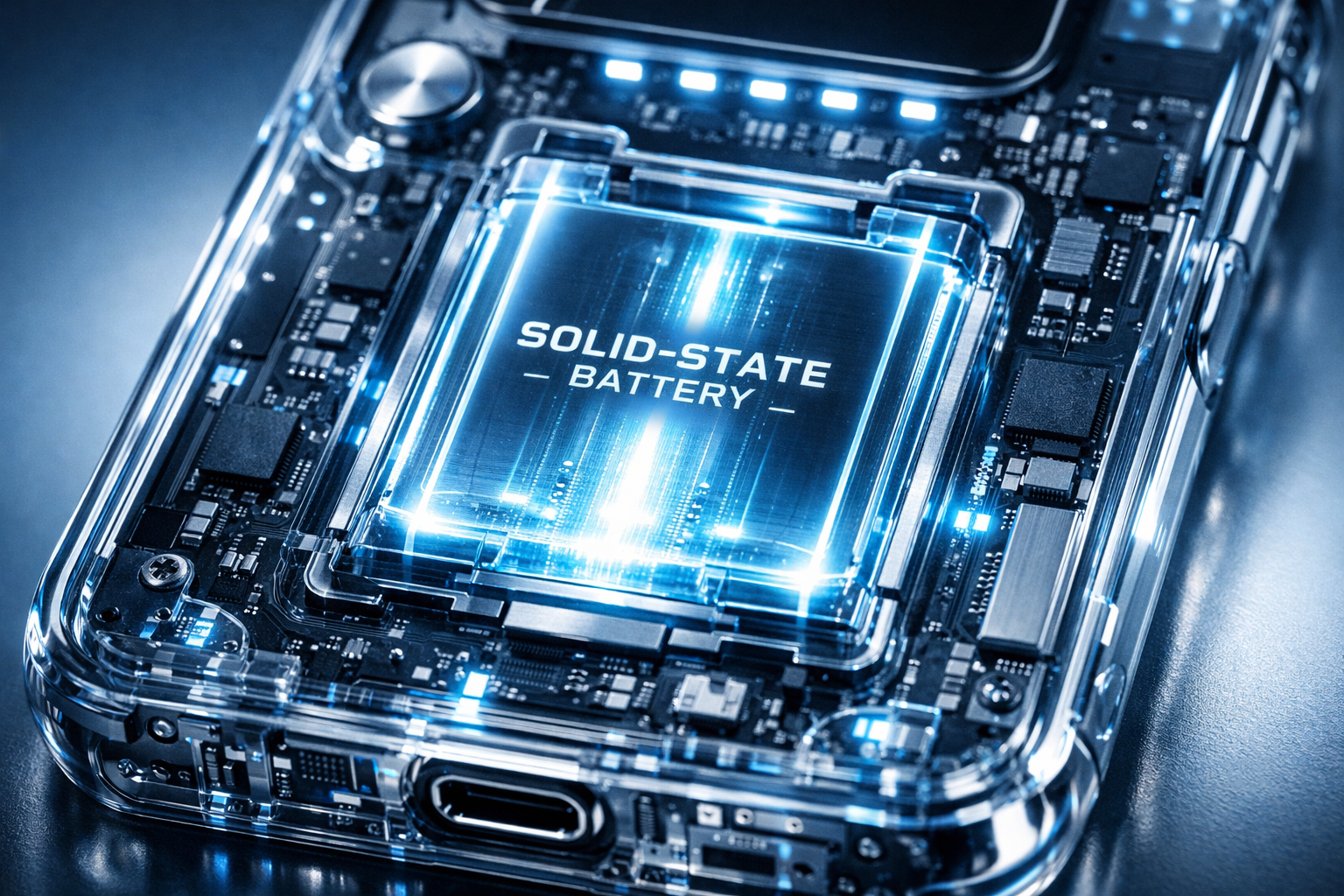
How Solid-State Batteries Are Powering the Next Generation of Safer, Longer-Lasting Consumer Devices
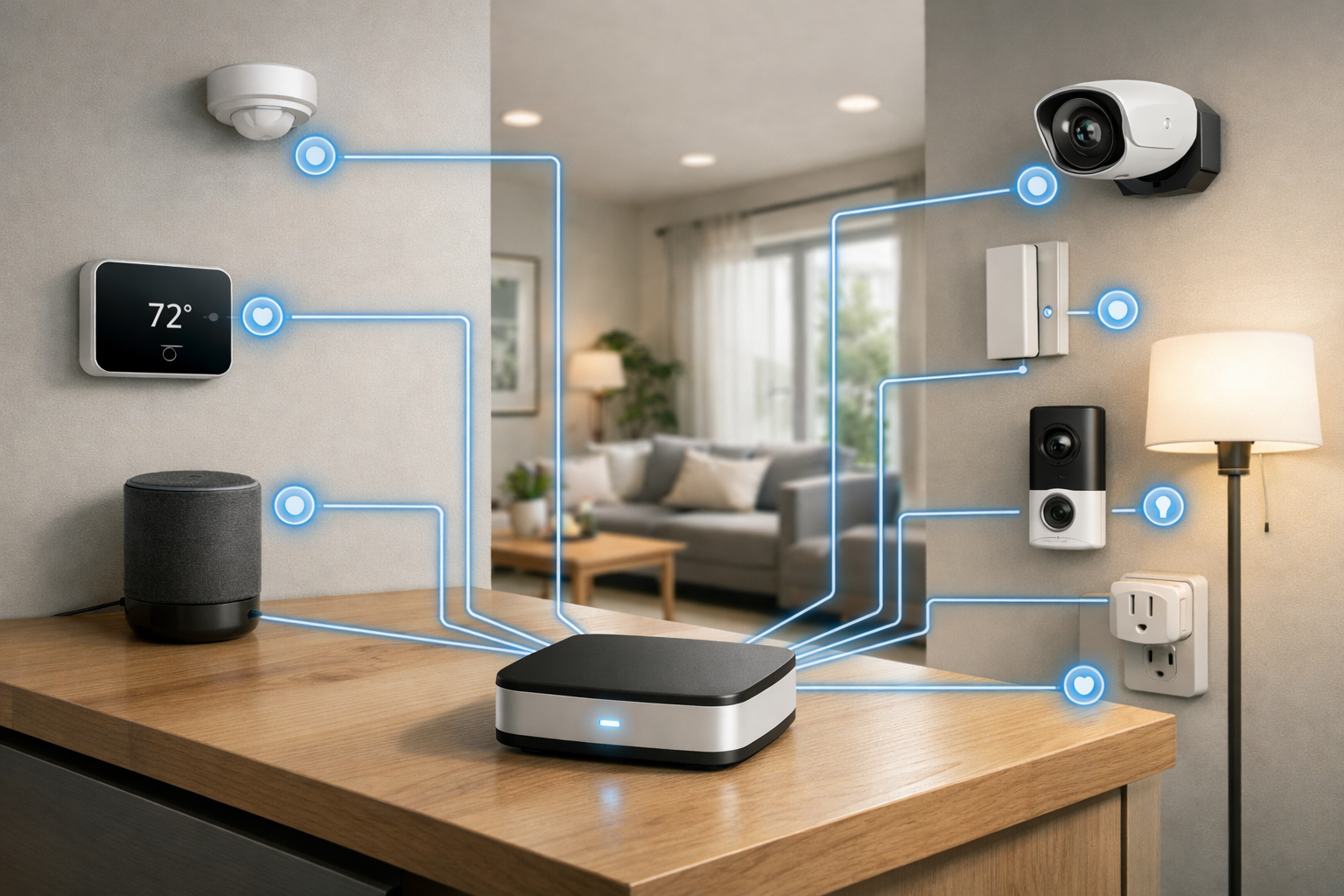
In the fast-paced evolution of consumer electronics, few innovations hold as much transformative potential as solid-state batteries. From smartphones and tablets to wearables, medical sensors, and smart home systems, the devices consumers rely on every day are increasingly defined by their energy storage technology. Traditional lithium-ion batteries remain the foundation of modern mobility and personal tech, yet they come with well-known limitations: fire risks, chemical leakage, degradation over time, and design constraints.
Solid-state batteries represent a fundamental rethinking of how personal devices are powered. By replacing liquid electrolytes with solid ones, they promise a new era of safety, longevity, and performance. For manufacturers, this technology opens the door to slimmer hardware and new product categories; for consumers, it means longer-lasting devices, fewer charging cycles, and dramatically reduced safety incidents.
As major technology companies invest billions into solid-state battery R&D, we are rapidly approaching a tipping point. Over the next several years, these next-generation batteries will move from prototypes and high-end niche products to mass-market adoption. Understanding how and why they are different is essential to anticipating the devices—and possibilities—of tomorrow.
What Makes Solid-State Batteries Different?
Most of today’s consumer electronics use lithium-ion batteries with liquid electrolytes to move ions between the anode and cathode. This architecture, while efficient, carries inherent risks due to flammable chemicals and structural vulnerabilities. Solid-state batteries, however, replace that liquid electrolyte with a solid one—ceramic, glass, polymer, or a hybrid material—instantly improving safety and enabling higher energy density.
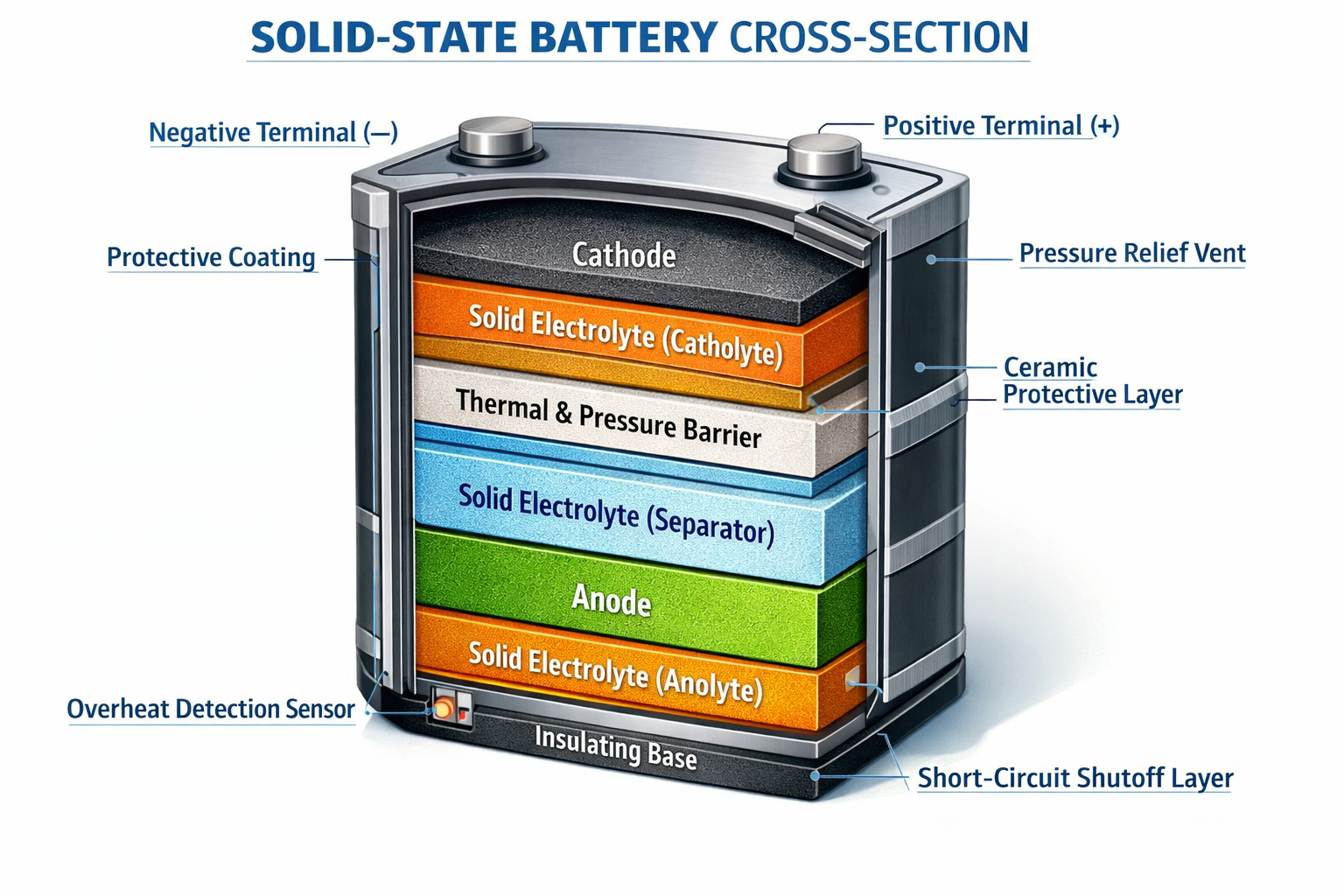
Three core characteristics set solid-state batteries apart:
- Safety-first architecture. Solid electrolytes eliminate the combustible materials that make lithium-ion batteries vulnerable to swelling, short-circuiting, and thermal runaway.
- Higher energy density. Devices can run longer on a single charge, sometimes up to 50% longer depending on the configuration.
- More compact system design. Because solid-state batteries don’t require bulky thermal management components, they allow for slimmer, lighter, and more flexible devices.
Solid-state batteries aren’t simply an improvement—they are a complete rethinking of energy storage materials and architecture.
These improvements not only redefine performance benchmarks but also unlock engineering freedom. As solid-state cells continue to mature, we can expect entirely new device categories that were previously constrained by battery limitations.
Why Solid-State Means Safer Everyday Tech
Safety remains the single most significant advantage of solid-state battery systems. Consumers have become increasingly aware of battery-related hazards, from overheating smartphones to exploding e‑bikes and laptops. Traditional liquid electrolyte-based batteries can leak, ignite, or fail due to manufacturing defects, physical damage, or temperature fluctuations.
Solid-state batteries dramatically reduce these risks through the inherent stability of their materials. Because they don’t rely on flammable liquids, the probability of fires or chemical leaks is drastically minimized. The solid electrolyte remains stable even when exposed to pressure, punctures, or extreme temperatures.
Three safety enhancements stand out:
- Non-flammable electrolytes reduce fire and overheating risks by over 90% in controlled testing scenarios.
- Higher thermal stability ensures performance in both cold-weather conditions and high-heat environments.
- Solid-state architecture is ideal for wearables, medical sensors, and home electronics where continuous contact with skin or constant operation demands maximum reliability.
This shift is especially crucial for emerging consumer categories like smart textiles, biometric-tracking wearables, and implantable health devices—products that depend on absolute safety and consistency.
Longer Lifespan and Faster Charging: A Win for Consumers
Beyond safety, the longevity and charging performance of solid-state batteries represent a major leap forward. Traditional lithium-ion cells suffer from gradual capacity loss after repeated charge cycles. For heavy device users, this means steadily decreasing battery life over months or years.
Solid-state chemistry, however, supports significantly slower degradation, often doubling or tripling the number of usable cycles. That translates into devices that maintain optimal performance for much longer—reducing the need for replacements and lowering environmental impact.
Key advantages include:
- Extended cycle life. Solid-state batteries degrade far more slowly, offering thousands of charge cycles with minimal capacity loss.
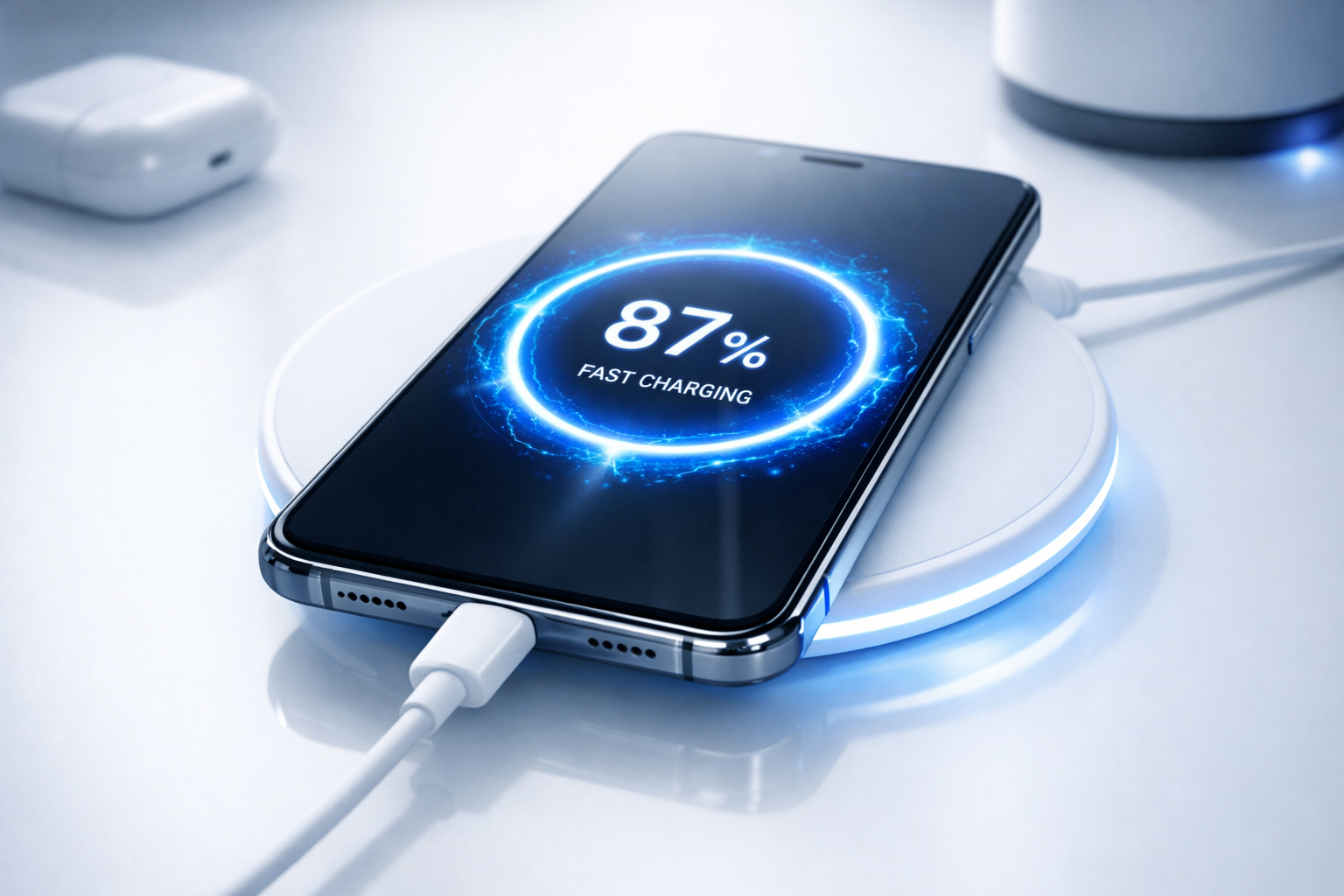
- Faster charging. Solid electrolytes support rapid ion transfers, enabling high-speed charging without overheating or reducing battery lifespan.
- More consistent performance. Devices remain efficient even after years of heavy usage, improving consumer satisfaction and product value.
How Solid-State Technology Will Transform Consumer Devices
Perhaps the most exciting impact of solid-state innovation is the freedom it gives product designers. As batteries become smaller, more durable, and more energy-dense, consumer electronics can evolve in ways previously impossible.
Here are some of the most significant transformations we can expect:
- Thinner, lighter devices. Smartphones, tablets, and ultralight laptops can shed significant weight without sacrificing battery life.
- Flexible and foldable electronics. Solid-state cells enable greater design flexibility, supporting curved displays, wearable wraps, and bendable form factors.
- High-performance mobile and home tech. Devices like AR glasses, smart appliances, and portable gaming systems will benefit tremendously from solid‑state’s power density and safety profile.
Innovators are already experimenting with transparent batteries, ultra-thin flexible cells, and solid-state architectures designed for micro-devices. In the coming decade, expect to see breakthroughs across personal computing, consumer health, home automation, and mobile entertainment—all powered by more efficient and reliable energy systems.
Conclusion: A Safer, More Efficient Future for Consumer Technology
Solid-state batteries mark a defining shift in how our devices will function, charge, and evolve over the next decade. By replacing liquid electrolytes with safer, more stable solid materials, they offer improvements in safety, longevity, charging speed, and design potential. Manufacturers can innovate more boldly, and consumers gain products that last longer, perform better, and operate more reliably under real-world conditions.
The transition won’t happen overnight, but the momentum is undeniable. As solid-state technology matures and production scales, its benefits will ripple across every major category of consumer electronics.
Stay Updated on the Future of Battery Innovation
Follow the latest breakthroughs as solid-state batteries reshape the next generation of consumer technology.