




How Ambient Computing Seamlessly Integrates Smart Technology Into Everyday Life
How Ambient Computing Is Transforming Everyday Life Without Screens
Ambient computing represents one of the most significant shifts in how we interact with technology. Instead of relying on screens, keyboards, or traditional devices, it brings intelligence into the environment itself. Your home, workplace, and even public spaces become intuitive, responsive, and aware — quietly supporting your needs without demanding your attention.
This shift toward invisible, integrated intelligence marks a new era of computing — one where the interface fades away, and the experience becomes the focus. In this article, we explore what ambient computing really is, the technology that powers it, and how it’s already shaping the world around us.
What Is Ambient Computing?
Ambient computing refers to technology that exists all around you — aware, adaptive, and ready to assist — without requiring active interaction. Unlike traditional computing, which happens through visible devices, ambient computing focuses on blending technology into the background of everyday environments.
Technology That Fades Into the Background
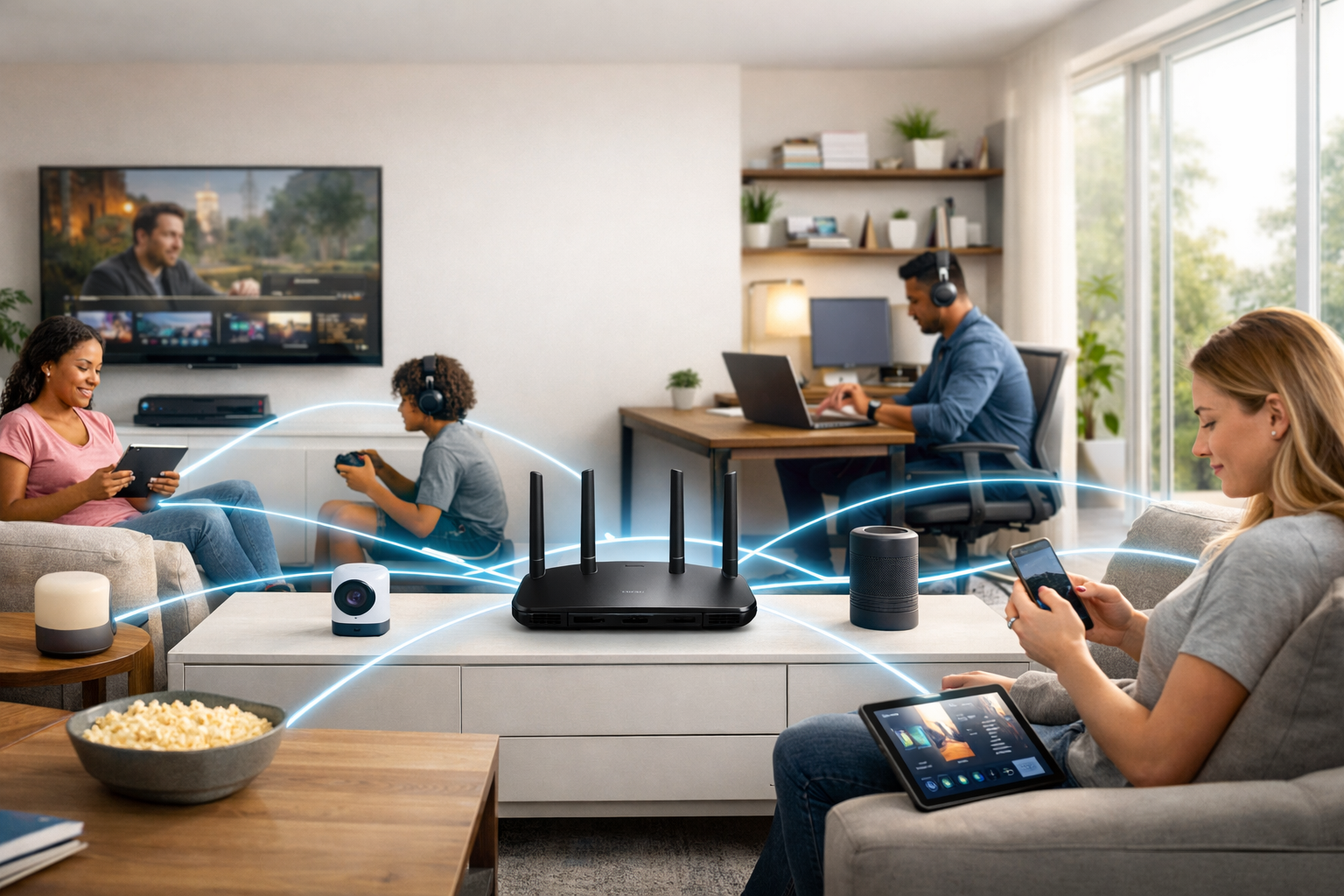
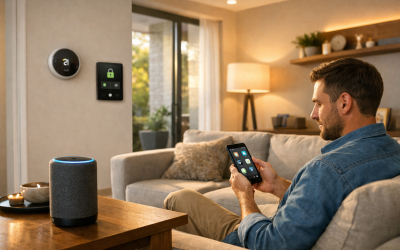
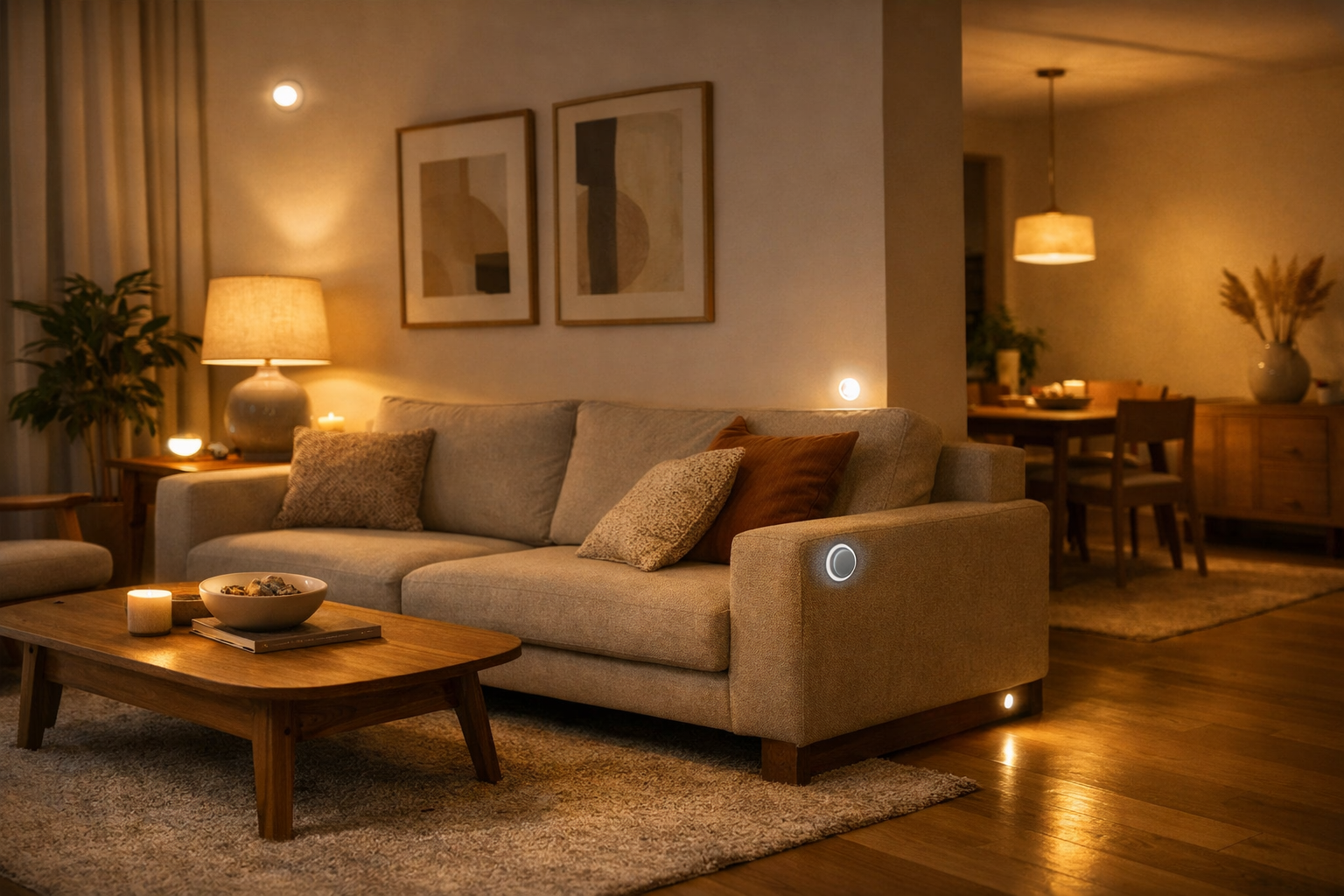
In ambient computing, the goal is to reduce friction. Instead of pulling out a phone, tapping a tablet, or typing on a laptop, your environment simply responds. Lights adjust as you enter a room. Thermostats learn your preferences. Devices communicate silently in the background.
How It Differs from Traditional Computing
Traditional computing depends on deliberate input. You open an app, speak a command, or tap a screen. In contrast, ambient computing is driven by context — understanding what you want without you having to explicitly request it.
The Role of Sensors, AI, and Connectivity
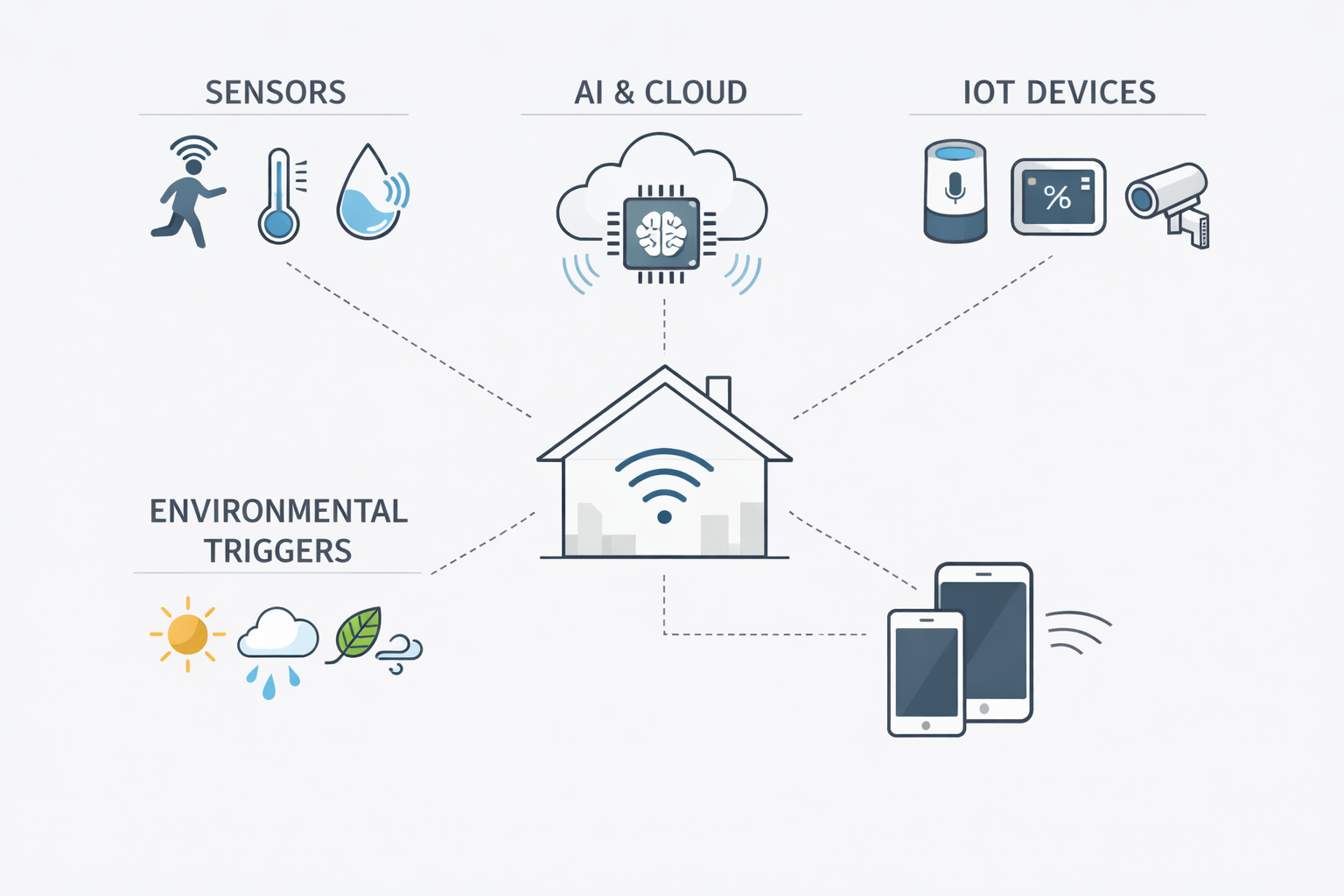
Three pillars support every ambient computing system:
- Sensors that detect motion, temperature, sound, light, and presence.
- AI systems that interpret context and predict behavior.
- Connectivity that enables devices to communicate and collaborate.
Ambient computing works best when it becomes almost unnoticeable — when the technology becomes so seamless that you forget it’s even there.
The Technology Powering Screenless Interactions
Behind the elegant simplicity of ambient computing is a complex stack of technologies that enable natural, frictionless interactions. These are the components that make intelligent environments possible.
Voice Assistants and Natural Language Processing
Voice remains one of the most intuitive input methods. Modern assistants can interpret nuanced language, understand context, and execute complex tasks — all without visual interfaces.
Environmental Sensors
Motion detectors, humidity sensors, air-quality monitors, and light sensors contribute to a detailed understanding of the environment. They provide the raw data that intelligent systems need to respond effectively.
Machine Learning and Personalization
AI learns patterns over time — when you wake up, the temperature you prefer, the lighting level you find comfortable. This makes responses more personalized and proactive, reducing the need for manual adjustments.
Everyday Examples of Ambient Computing
While the concept may sound futuristic, ambient computing is already part of many homes and workplaces. You may interact with it daily without realizing it.

Smart Lighting
Lights that brighten at sunrise, dim in the evening, or switch on when you walk into a room illustrate the simple power of environmental intelligence.
Learning Thermostats
Modern thermostats monitor your habits and adjust automatically. Some even integrate with weather forecasts to optimize energy use.
Wearables Communicating with Home Systems
Your smartwatch might signal your home that you’re waking up, prompting lights to come on or the coffee machine to start brewing.
Presence-Based Automation
From unlocking doors to activating security systems, presence detection allows environments to react to your arrival or departure in real time.
Benefits of a Screenless Future
Moving away from screen-centric design opens the door to healthier, more intuitive interactions with technology. Ambient computing supports a lifestyle where digital assistance is integrated into the flow of everyday life.
- Reduced digital fatigue thanks to fewer screens demanding constant attention.
- More natural, intuitive interactions that mimic human communication.
- Improved accessibility, especially for individuals who struggle with traditional interfaces.
Challenges and Ethical Considerations
Like any powerful technology, ambient computing brings challenges that society must address responsibly.
Privacy and Always-On Sensors
Constant monitoring raises understandable privacy concerns. Transparent data policies and user control are essential to maintaining trust.
Data Transparency and Control
Users must know what data is collected, how it’s used, and how to manage or delete it. Clear, accessible controls are critical.
Avoiding Over-Automation
While automation can enhance convenience, too much of it risks diminishing human autonomy. Thoughtful design ensures technology supports, rather than replaces, decision-making.
Conclusion: A Future Where Technology Works in the Background
Ambient computing represents a profound shift in how we live with technology. Instead of demanding attention, it blends quietly into our surroundings, enhancing comfort, safety, and productivity. As sensors grow more sophisticated and AI becomes more capable, environments will anticipate our needs with increasing precision. The future is not just smart — it’s seamless, intuitive, and remarkably human-centered.