






How eSIM Technology Is Transforming Travel Connectivity for Smartphones and Wearables
How eSIM Technology Is Changing Travel Connectivity
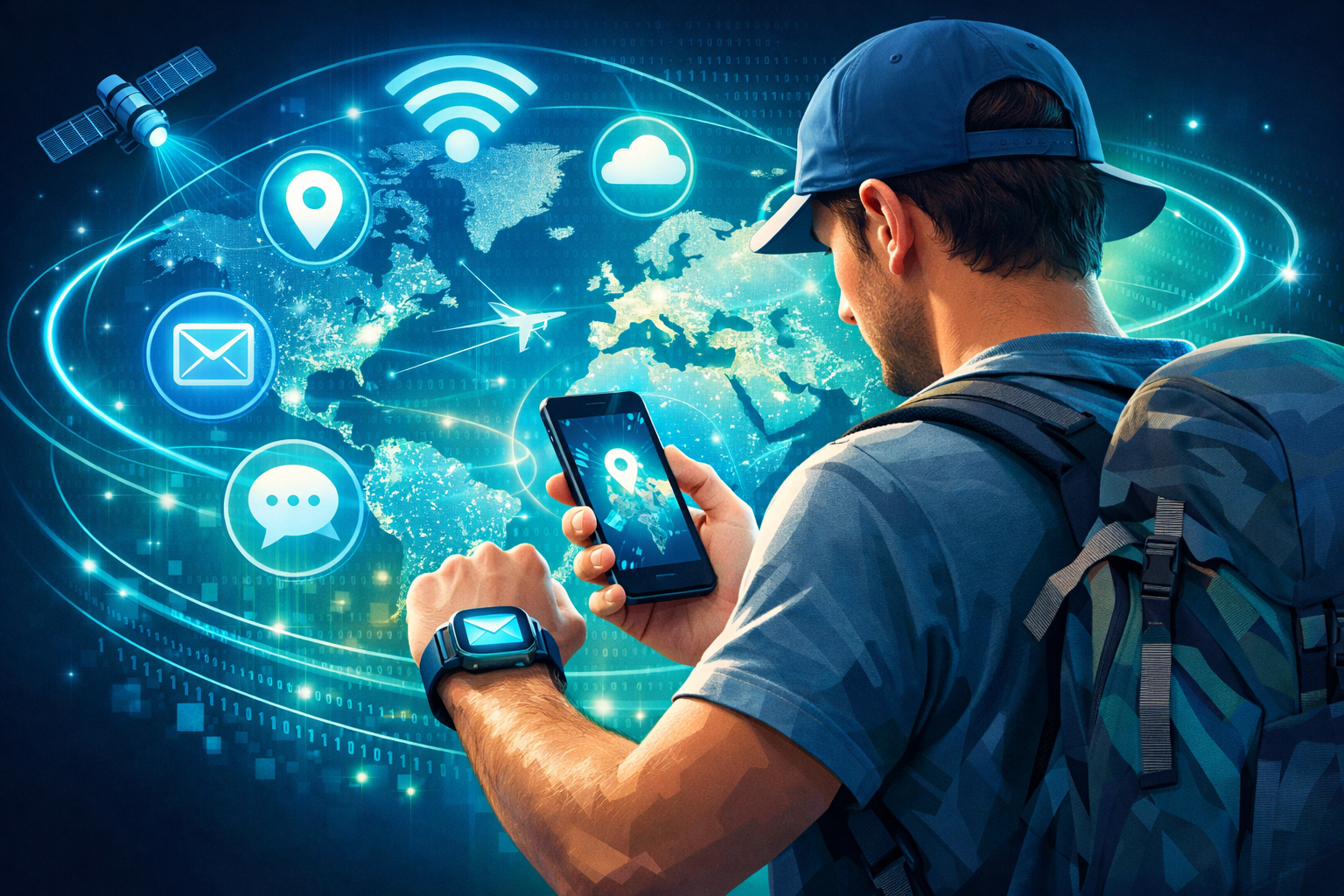
Travel is no longer just about moving from one place to another. In a world where digital maps, ride‑sharing apps, translation tools, and cloud‑synced workspaces shape nearly every moment of a journey, connectivity has become every traveler’s most essential companion. Over the past decade, physical SIM cards—once the only way to connect to a foreign network—have begun to feel outdated, inconvenient, and restrictive. This is where eSIM technology is reshaping the travel experience from the ground up.
Whether you’re using a smartphone, a smartwatch, or an emerging category of wearables, eSIM is transforming how you stay online, access data plans, and manage your connectivity without needing to fumble with tiny plastic cards or visit a kiosk upon arrival. This shift is more than a technological upgrade—it’s a fundamental improvement to the freedom and fluidity of global travel.
“eSIM is quickly becoming the universal language of global connectivity—digital, flexible, borderless, and infinitely more traveler‑friendly.”
What Is eSIM and Why It Matters for Travelers
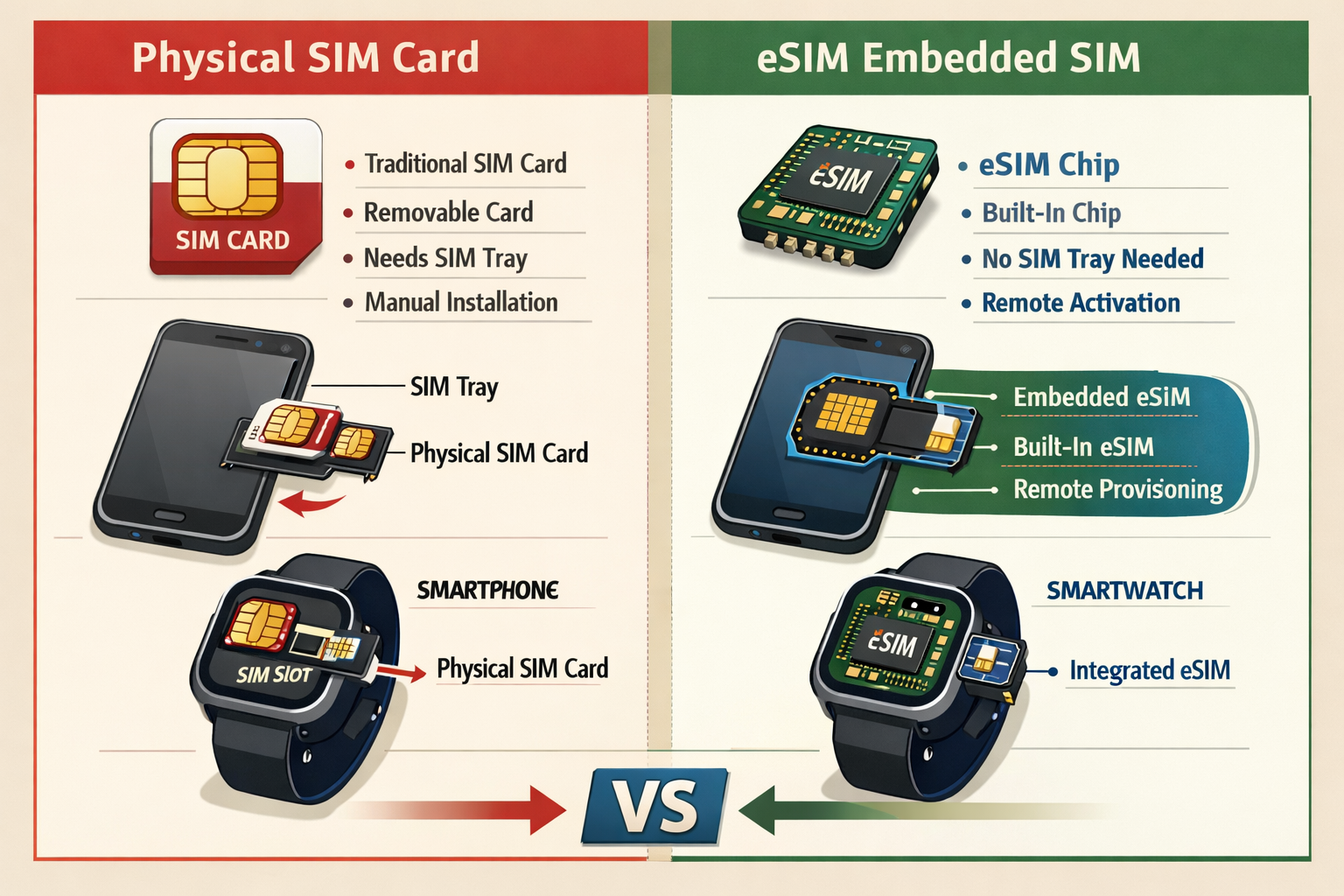 An eSIM, short for embedded SIM, is a digital alternative to the traditional removable SIM card. Instead of inserting a physical card into your device, the eSIM is built directly into the hardware—typically soldered onto the motherboard of your smartphone, smartwatch, or tablet. This embedded form allows users to activate and switch carriers over the air using software, eliminating the need for physical handling.
How eSIM Differs from a Physical SIM
Traditional SIM cards require insertion, removal, and replacement whenever you change carriers. This limits flexibility and can be a hassle when traveling internationally. eSIM, by contrast, stores multiple carrier profiles digitally, letting you choose or switch between networks instantly.- No physical swapping of SIM cards
- Digital activation with a QR code or app
- Supports multiple profiles simultaneously
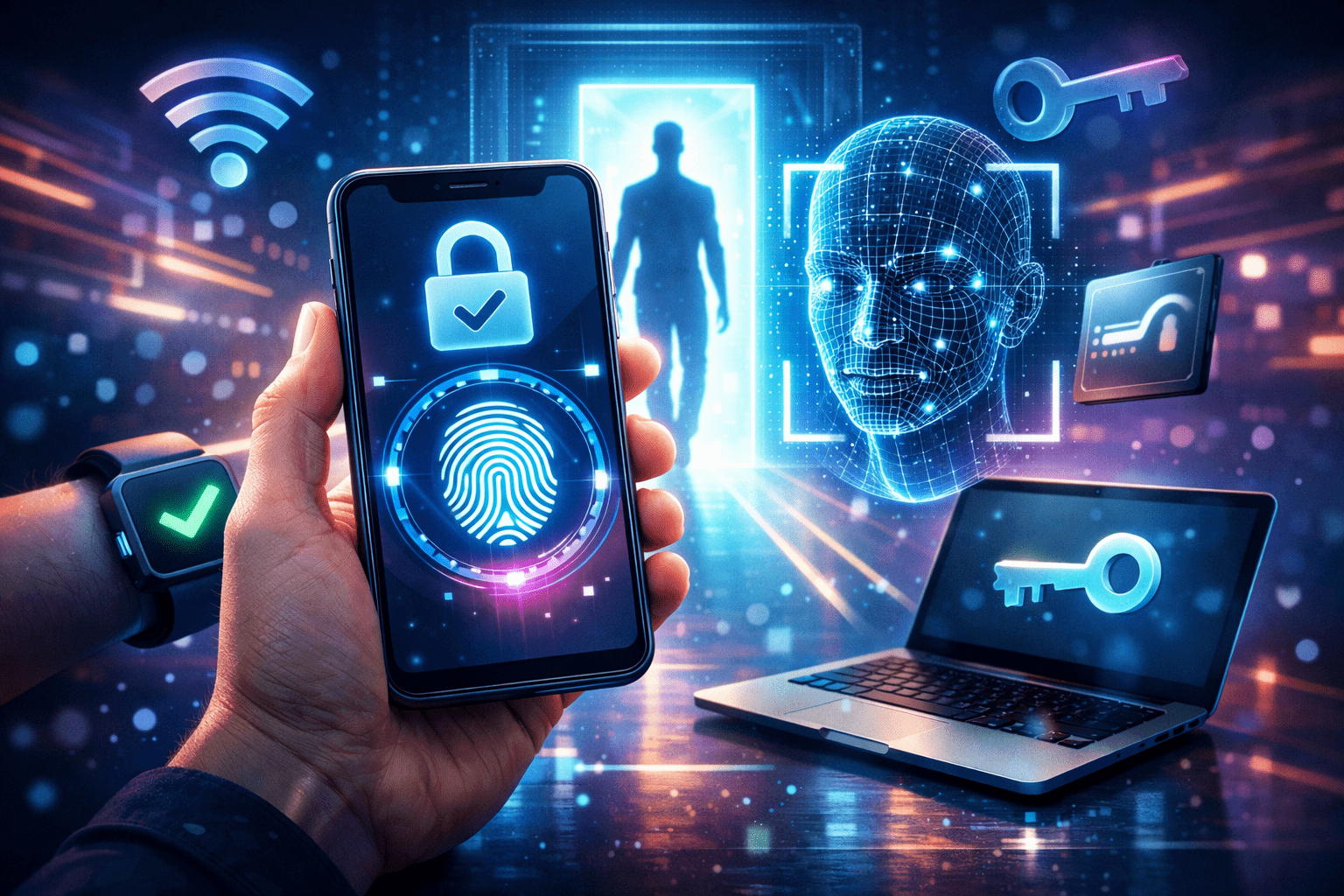
- More secure due to software‑based authentication
Why eSIM Is a Game-Changer for Travelers
International travelers often face frustrating barriers—expensive roaming fees, limited carrier options, or long airport kiosk lines. eSIM simplifies all of this. With just a few taps, you can purchase a local data plan before departure or upon arrival, ensuring you’re connected the moment the plane lands.Key Takeaway
eSIM puts travelers in control of their connectivity with instant activation, global coverage options, and flexible switching between networks anywhere in the world.
How eSIM Enhances Travel Convenience
Travel convenience today means avoiding unnecessary delays, eliminating stress, and staying ready for whatever the destination brings. eSIM elevates this convenience in several critical ways.Avoiding Airport SIM Kiosk Lines
Most travelers have experienced the slow, chaotic lines at airport SIM kiosks after landing in a new country. With eSIM, that inconvenience disappears entirely. You can purchase and activate a data plan while still on the plane or before your trip even starts.Effortless Switching Between International Plans
Modern eSIM-enabled devices support multiple digital SIM profiles at once, allowing seamless switching between local carriers. This flexibility is especially valuable for multi-country itineraries, where physical SIM swapping becomes impractical.Lower Risk of Losing Physical SIM Cards
Physical SIM cards are small, fragile, and easy to misplace. eSIM eliminates the risk entirely. Travelers who frequently move between regions or juggle business and personal numbers can enjoy a secure, simplified experience.Wearables Are the Next Frontier for Travel Connectivity
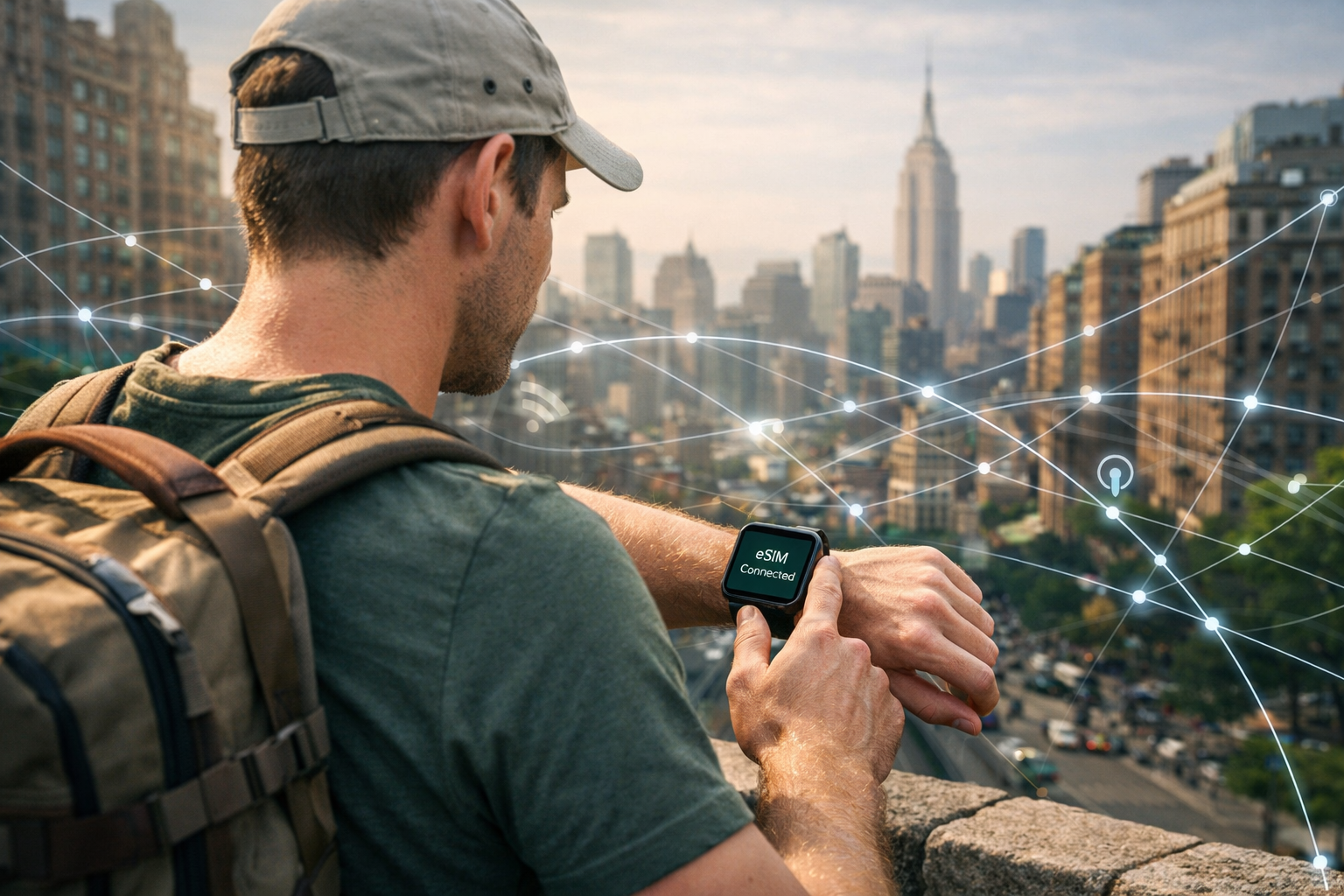 While smartphones have driven the growth of eSIM adoption, wearables are poised to become the next major category transforming travel connectivity. Modern smartwatches and fitness trackers increasingly include built-in eSIM support, enabling independent communication, navigation, and safety features without needing to be tethered to a phone.
Growth of eSIM-Enabled Wearables
The surge in outdoor adventures, solo travel, and health‑focused lifestyles has boosted demand for connected wearables. With eSIM built in, these devices stay connected anywhere the traveler goes.Hands-Free Navigation and Communication
Imagine exploring a new city with turn-by-turn directions delivered straight to your wrist, or responding to texts and calls without pulling out your phone. Wearable eSIM enhances convenience while keeping travelers focused on their surroundings.Safety Features with Reliable Connectivity
Wearables play a crucial role in emergency situations. Features like fall detection, SOS alerts, and live location sharing depend on reliable network access. eSIM ensures these devices remain connected even when the smartphone runs out of battery or is tucked away safely.Security and Reliability Improvements with eSIM
Beyond convenience, eSIM introduces a higher level of security for travelers navigating unfamiliar networks and environments.Encrypted Remote Provisioning
Carrier profiles are downloaded through secure protocols, keeping activation data protected from interception or tampering.Protection Against SIM Swapping Attacks
Because there is no removable card, eSIM makes it significantly harder for criminals to replace your SIM and hijack your number—an increasingly common cyber threat.More Reliable Network Authentication
eSIM-enabled devices benefit from streamlined authentication processes, ensuring better stability and faster reconnections when roaming between networks.Key Takeaway
eSIM enhances digital safety by reducing physical vulnerabilities and improving global network reliability—crucial advantages for travelers in unfamiliar destinations.