



How Personal AI Assistants Will Redefine Daily Life by 2030
How Personal AI Assistants Will Redefine Daily Life by 2030
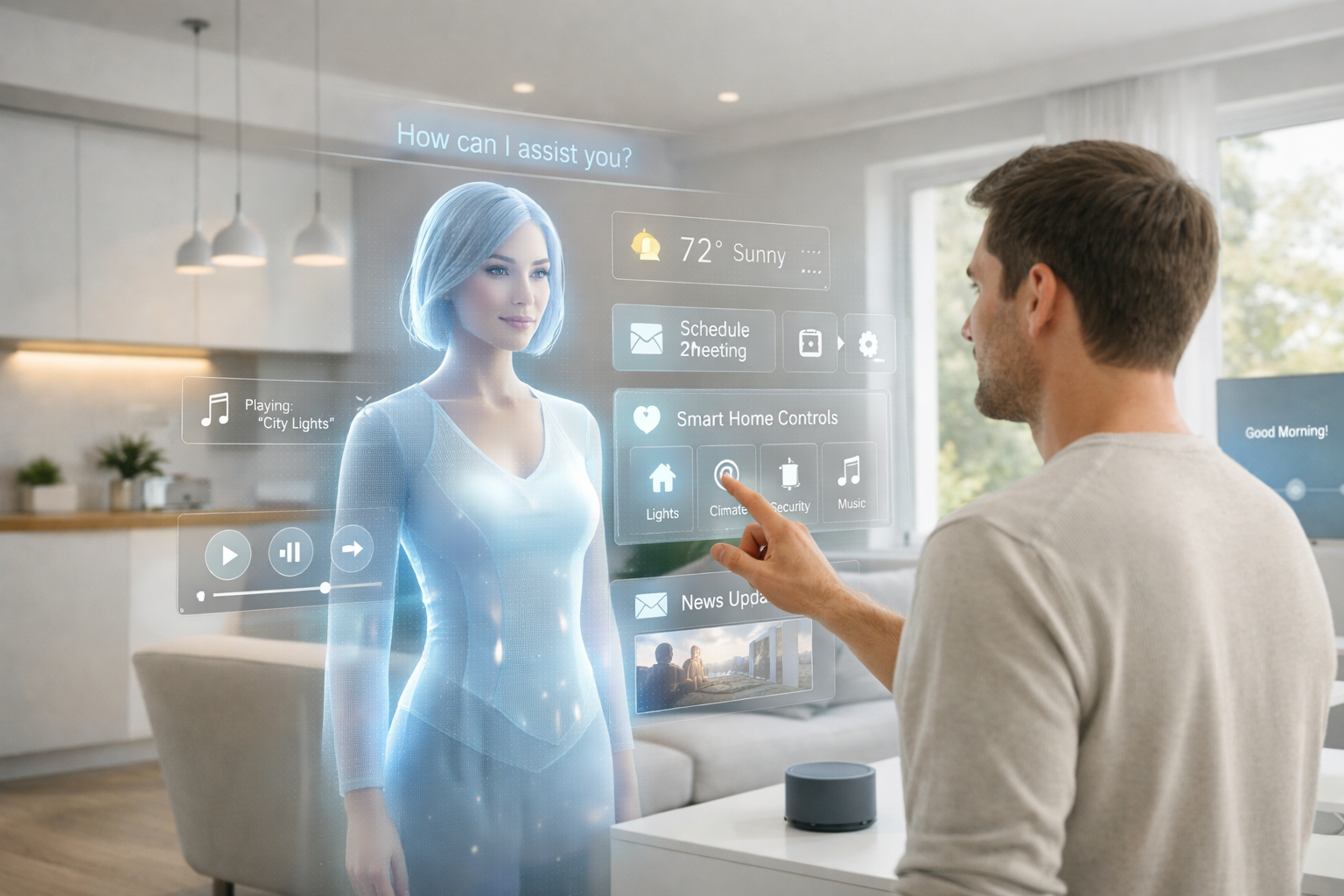
By 2030, personal AI assistants will no longer be limited to setting reminders, answering questions, or turning on your lights. They will evolve into deeply integrated digital companions—proactive, context-aware, emotionally intelligent, and capable of performing tasks that today require multiple apps, devices, and humans. This shift will redefine not just how we work, but how we learn, manage relationships, stay healthy, and make life decisions.
The transformation underway is not simply technological—it’s behavioral, social, and economic. As AI gains stronger reasoning abilities, long-term memory, autonomy, and multimodal interaction (voice, text, vision, gestures), our daily routines will reorganize around what these intelligent agents can handle for us.
Below, we explore what personal AI assistants will become by 2030, how they’ll support every dimension of modern life, and what this means for individuals, families, and society.
The Evolution of Personal AI Assistants
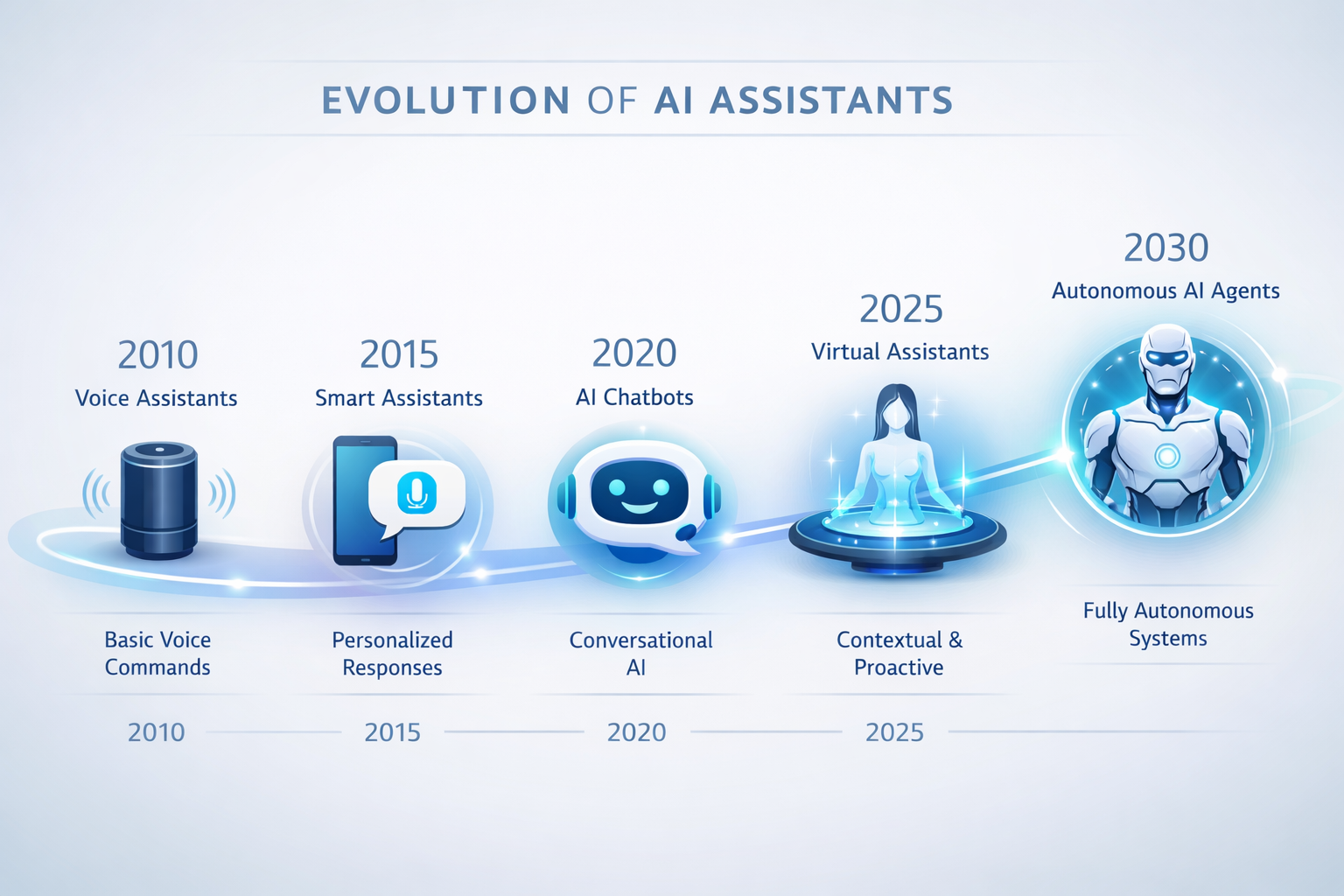
Personal AI assistants have come a long way from their early days as novelty voice-controlled gadgets. Over the past two decades, they evolved from keyword-activated tools to conversational interfaces and now to advanced autonomous agents.
In the early 2010s, assistants like Siri and Google Assistant could perform narrow tasks, but lacked contextual understanding. By the early 2020s, large language models ushered in a new generation of assistants able to reason, analyze, and generate complex responses. Fast-forward to the late 2020s, and AI systems integrate vision, planning, memory, and autonomy—capabilities essential for daily-life automation.
From Commands to Collaboration
One of the most significant shifts is how humans interact with AI. Instead of giving step-by-step commands, people will collaborate with AI as they would with a capable coworker or personal aide. These assistants will understand intent, generate options, and negotiate outcomes.
“By 2030, personal AI will feel less like software and more like a competent digital colleague who never forgets, never gets tired, and deeply understands your preferences.”
With this evolution, even complex workflows—like planning travel, managing financial portfolios, designing fitness routines, or coordinating teams—will be handled almost entirely by AI, with humans offering oversight rather than instructions.
Powered by Multimodal Intelligence
Future assistants will interpret text, speech, images, live video, biometric signals, and environmental context simultaneously. This multimodal fusion allows them to operate in real-world scenarios in ways that feel natural and frictionless.
- They will “see” through device cameras to help with tasks like repairs or home organization.
- They will “listen” to detect stress in your voice or changes in your habits.
- They will “remember” routines and long-term goals to align decisions with your lifestyle.
Whether you’re cooking, commuting, working, or exercising, your AI will understand your situation without needing to be prompted.
AI-Enhanced Productivity and Workflows
In the workplace, AI assistants will bridge the gap between human creativity and digital efficiency. Instead of juggling notifications, emails, calendars, and tools, individuals will rely on AI to orchestrate these systems holistically.
Seamless Schedule and Task Management
Your AI will not only create your schedule—it will defend it. It will prioritize tasks based on urgency, energy levels, and long-term goals. It will reschedule meetings when conflicts arise, delegate minor tasks to secondary AI agents, and ensure your day aligns with your cognitive rhythms.
Imagine waking up and receiving an optimized briefing:
- A consolidated overview of your day
- Challenging tasks planned for moments of peak focus
- Notifications delayed until appropriate windows
- Breaks inserted automatically to prevent burnout
By 2030, this will feel completely normal.
Personalized Real-Time Coaching
AI assistants will act as continuous performance coaches. They will analyze patterns in your behavior, stress levels, and productivity, offering actionable insights without judgment.
For example:
- “Your energy dips every day around 2 pm. Shall I rearrange your schedule?”
- “You’re close to burnout. Let’s postpone less urgent tasks and add recovery time.”
- “You perform better when you complete creative tasks first thing in the morning.”
This level of personalization will give individuals a competitive advantage previously reserved for executive-level coaching.
The Smart Home of 2030
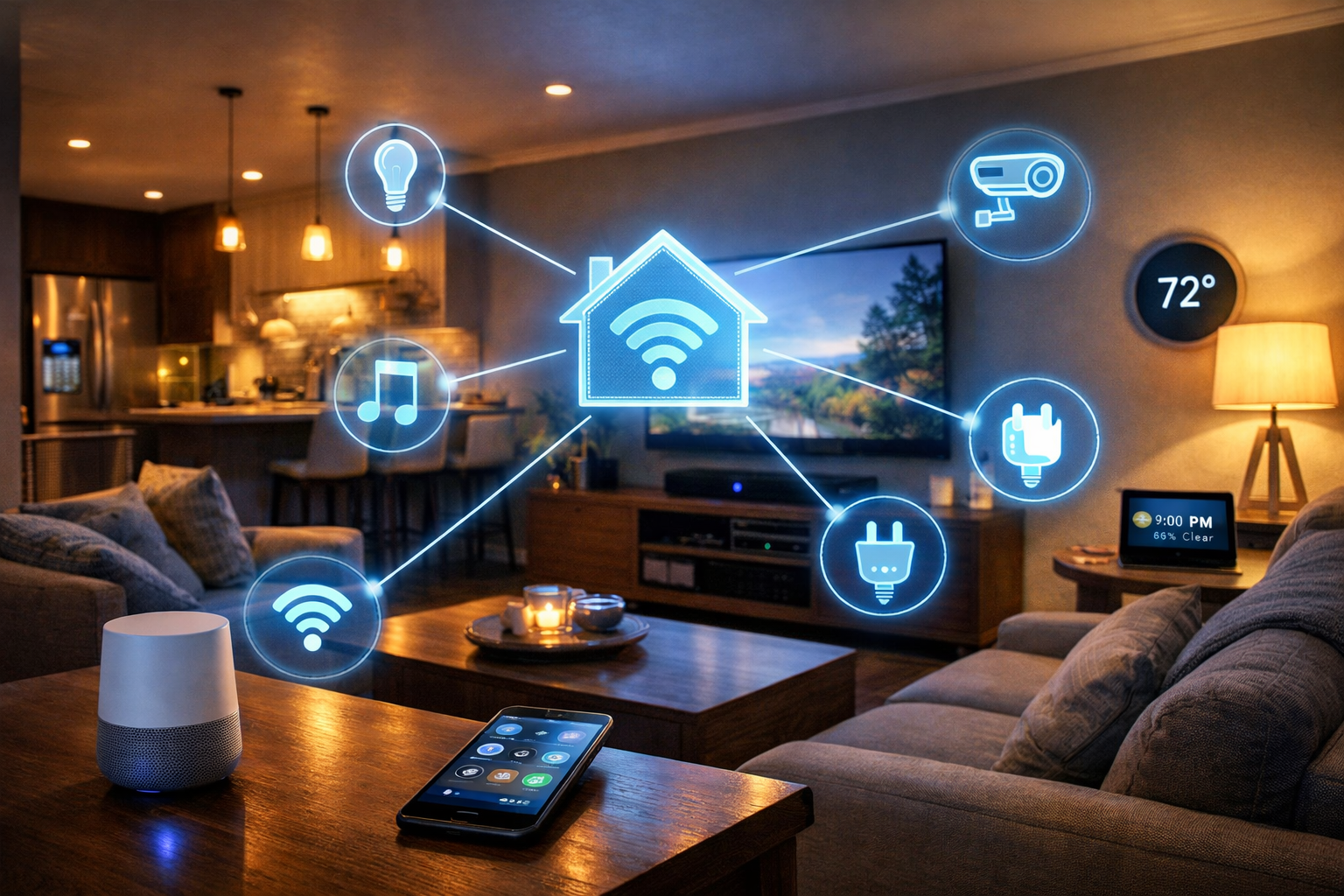
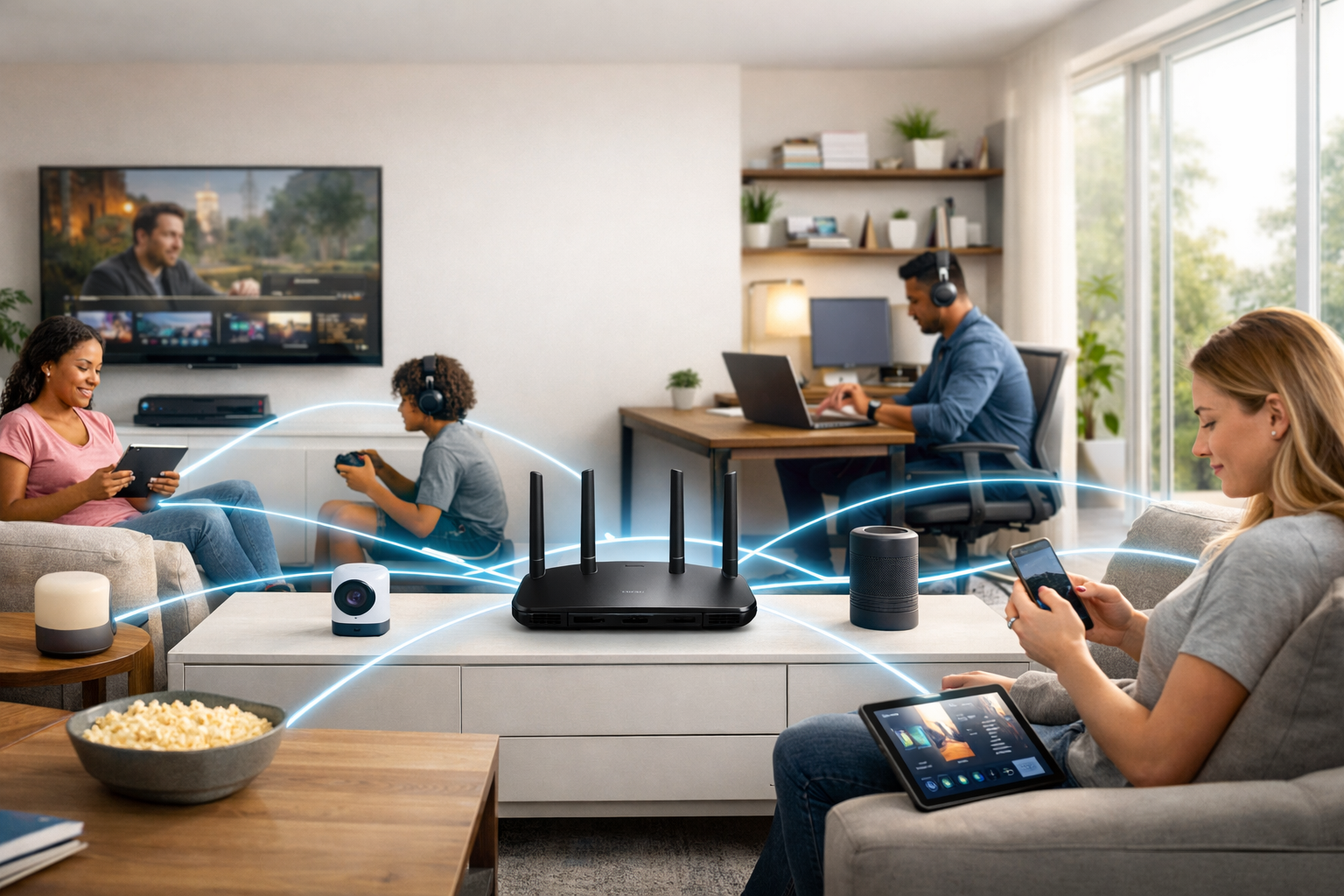
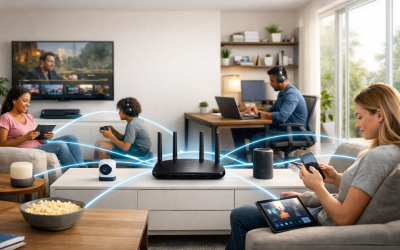
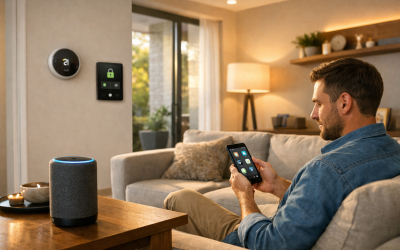
By 2030, homes will not simply be “smart”—they will be responsive environments shaped dynamically by AI. Your assistant will coordinate all household systems invisibly and harmoniously.
A Home That Adapts to You
Your home will anticipate your needs and adjust everything automatically:
- Lighting tuned to your circadian rhythm
- Temperature adjusted based on your preferences and biometrics
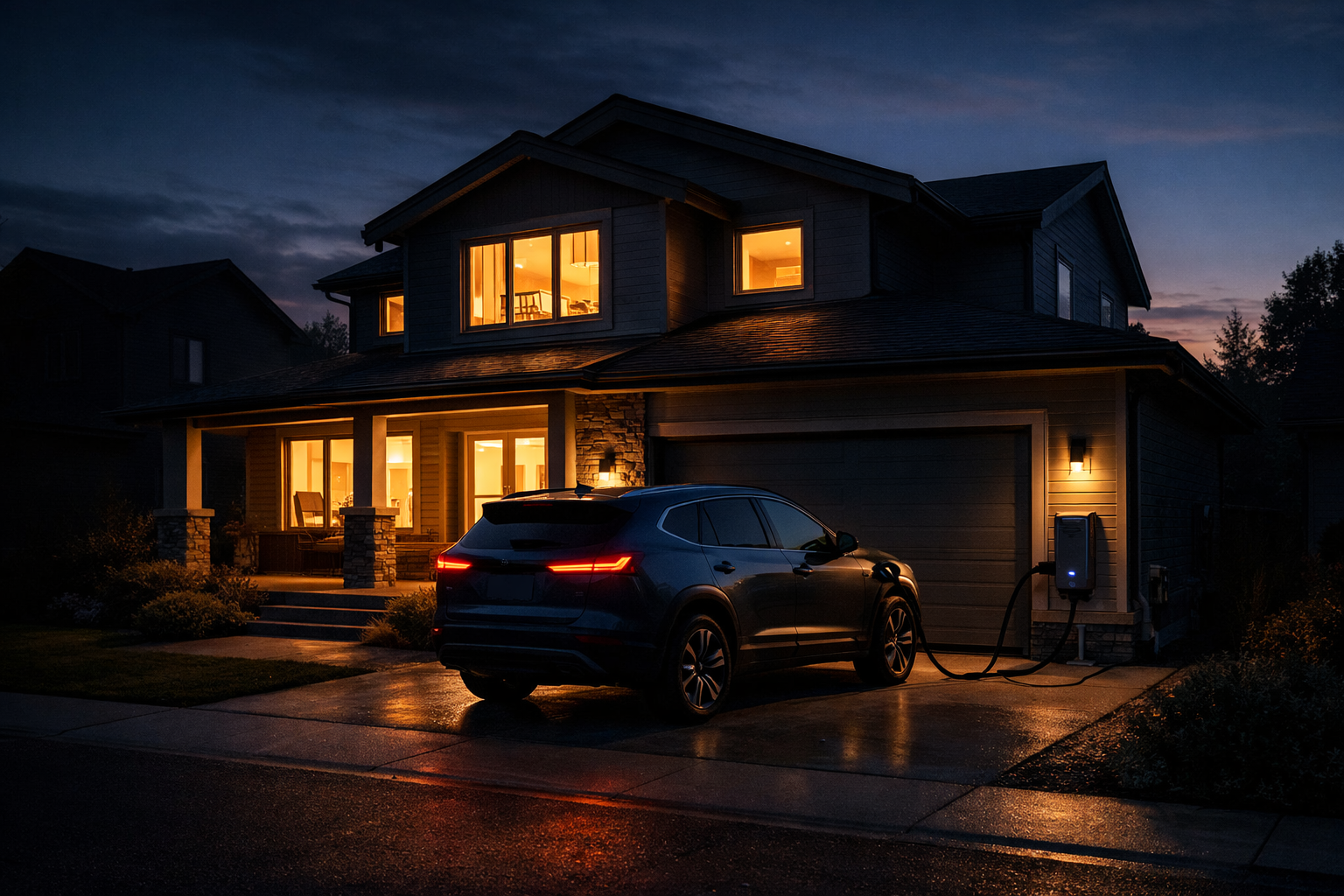
- Appliances that run when energy costs are lowest
- Security systems that recognize family, guests, and anomalies instantly
Instead of controlling devices, you will collaborate with your home as a unified intelligent ecosystem.
Energy and Sustainability Optimization
AI will play a critical role in reducing household energy consumption. Your assistant will analyze usage patterns, utility rates, and weather forecasts to optimize power demands seamlessly.
The result: lower bills, reduced emissions, and less waste—all handled without user intervention.
Health, Wellness, and AI-Driven Prevention
The next frontier of personal AI is continuous health monitoring and proactive wellness guidance. Wearables, sensors, and AI analysis will converge to create a new paradigm of preventive care.
Continuous Health Monitoring
Your AI will track key metrics such as heart rate variability, sleep quality, glucose patterns, stress indicators, posture, and even emotional states. It will compare these to your long-term baselines and generate personalized recommendations.
- “Your sleep quality has declined over the past two weeks.”
- “You may be dehydrated. Here’s your optimal water intake for today.”
- “Your stress patterns match past periods before migraines.”
By identifying shifts early, AI will empower users to take action before issues escalate.
AI-Generated Wellness Plans
Generic advice will be replaced with tailored wellness strategies driven by real data. Your assistant will curate routines involving exercise, nutrition, mindfulness, and sleep optimization—adjusted daily based on your body’s changing needs.
“Preventive AI will become one of the greatest health revolutions of the 2030s, reducing chronic disease through personalized, always-on guidance.”
The Future of Decision-Making With AI
Decision-making is one of the most impactful, yet least optimized, aspects of human life. Personal AI will transform this by providing data-driven insights without removing human agency.
AI as a Trusted Advisor
Your assistant will help you evaluate choices with depth and nuance—for financial planning, lifestyle decisions, educational opportunities, and career paths.
Examples of prompts you might see:
- “Based on your goals, you should allocate more to long-term investments this month.”
- “You’ve expressed interest in remote work. Here are roles aligned with your skill growth.”
- “This neighborhood matches your lifestyle priorities better than the one you’re considering.”
AI won’t make decisions for you—but it will give you the clarity and confidence to make informed choices.
Reducing Mental Load
Every day, humans make over 35,000 micro-decisions. Many are trivial, yet collectively draining. AI assistants will filter and simplify these choices—automating low-stakes decisions while preserving autonomy for meaningful ones.
This will dramatically reduce cognitive overload, enabling people to focus on creativity, relationships, and meaningful work.
Prepare for an AI-Transformed Future
The decade ahead will redefine what it means to live, work, and thrive in a hyper-connected world supported by intelligent agents. Those who embrace AI early will benefit from enhanced productivity, healthier routines, smarter environments, and more informed choices.
By 2030, personal AI assistants will be as essential as smartphones today—deeply integrated, highly capable, and profoundly empowering.