









The Ultimate Guide to Making Your Tech Eco-Friendly

Technology powers our work, entertainment, creativity, and communication. But it also has a very real environmental footprint. From energy-hungry data centers to constant device upgrades and growing e-waste, the tech industry quietly contributes to climate impact in a way many people don’t realize.
The good news? You don’t have to ditch your devices or go “off-grid” to make a difference. With a few thoughtful choices, smarter habits, and better awareness, you can significantly reduce your tech’s environmental impact — while often saving money and improving performance at the same time.
This is your practical, no-guilt guide to making your digital life greener.
🌍 Why Eco-Friendly Tech Matters More Than Ever
Every device you own has a lifecycle: manufacturing, shipping, daily electricity use, and eventually disposal. Each stage consumes resources and produces emissions. Multiply that by billions of users, and the impact becomes huge.
A few realities:
-
Millions of tons of e-waste are generated every year
-
Many “recycled” electronics end up dumped instead
-
Constant upgrades fuel unnecessary production
-
Energy consumption from devices keeps rising
But here’s the key point:
Small actions, when multiplied by millions of people, make a massive difference.
♻️ Step 1: Make Your Current Tech Last Longer
The most eco-friendly device is the one you don’t replace.
Instead of buying the latest model every year, focus on:
-
Using devices for 3–5+ years when possible
-
Repairing instead of replacing
-
Replacing batteries instead of full devices
-
Keeping software updated for performance and security
Even simple maintenance helps:
-
Clean dust from laptops and PCs
-
Use protective cases
-
Avoid overheating devices
-
Don’t let batteries constantly hit 0%
Each extra year of use reduces waste, manufacturing impact, and your spending.
⚡ Step 2: Reduce Energy Consumption (It’s Easier Than You Think)
Most devices run longer — and harder — than necessary. A few tweaks can drastically cut energy use.
On your computer:
-
Enable power-saving or eco mode
-
Lower display brightness
-
Turn off keyboard backlights when not needed
-
Sleep mode > idle screen
-
Shut down when not in use overnight
On your phone:
-
Reduce background app refresh
-
Turn off always-on display features if unnecessary
-
Avoid constantly charging to 100%
Around the house:
-
Use smart plugs to cut vampire power
-
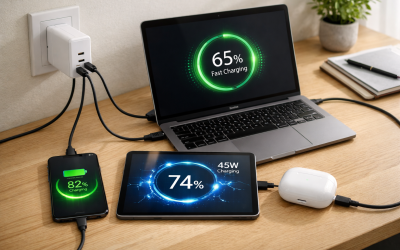
Unplug chargers not in use
-
Choose energy-efficient routers and appliances
Small energy savings, multiplied daily, create meaningful impact.
🌱 Step 3: Choose Greener Devices When Upgrading
Sometimes upgrades are necessary — and when that time comes, choosing wisely matters.
Look for:
-
Devices built with recycled materials
-
Repair-friendly designs
-
Companies with sustainability commitments
-
Energy Star or eco certifications
-
Devices with replaceable parts
Bonus points for manufacturers supporting:
-
Trade-in programs
-
Responsible recycling
-
Fair labor sourcing
Eco conscious doesn’t have to mean compromise — many sustainable products are also premium quality.
🗑️ Step 4: Handle E-Waste Responsibly
Throwing electronics in the trash is one of the worst things you can do. They contain materials that are toxic to landfills — but also valuable metals that can be reused.
Better options include:
-
Official manufacturer recycling programs
-
Certified e-waste recycling centers
-
Retailer take-back programs
-
Donating working tech
-
Reselling older devices
Just make sure to wipe data first.
Responsible disposal doesn’t just reduce waste — it feeds valuable materials back into the manufacturing cycle, reducing resource mining.
☁️ Step 5: Make Your Digital Life Lighter
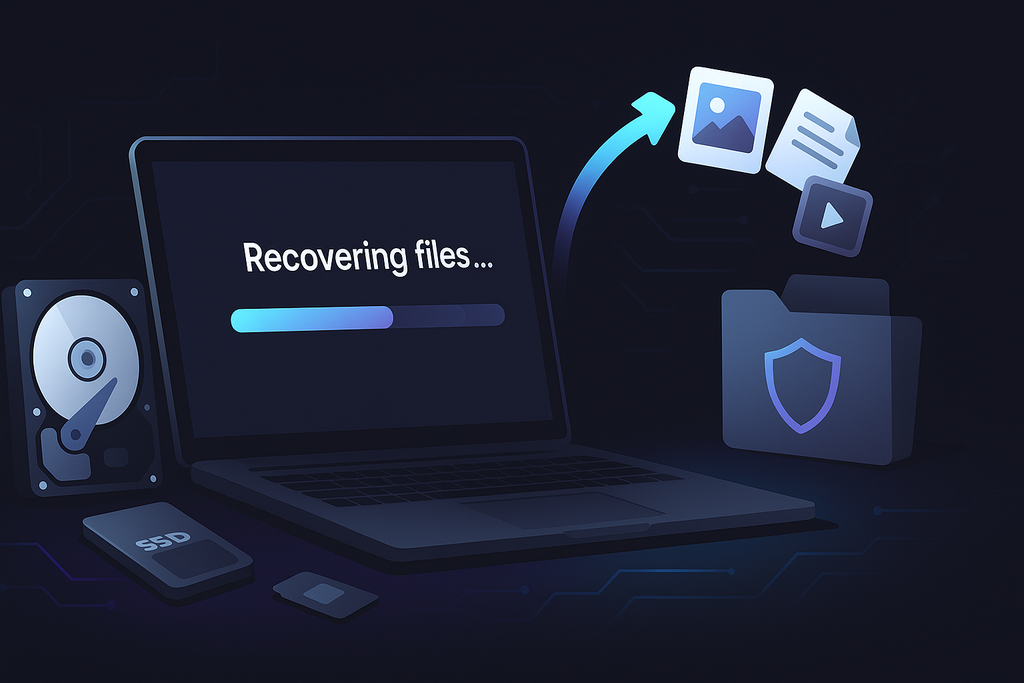
It’s not just physical devices that impact the planet — digital activity does too. Cloud services, streaming platforms, and data storage all require massive amounts of electricity to run.
A more mindful digital footprint includes:
-
Clearing unnecessary files from cloud storage
-
Reducing unneeded photos and videos
-
Unsubscribing from newsletters you never read
-
Turning off auto-upload for everything
-
Using Wi-Fi instead of mobile data where possible
Even streaming smarter helps — HD is often enough without jumping to 4K on small screens.
Every bit of data you don’t constantly store, sync, and transmit reduces energy demand somewhere in the chain.
🌿 Step 6: Support Sustainable Tech Culture
Eco-friendly tech isn’t just about personal behavior. It’s also about supporting better systems.
You can:
-
Support companies prioritizing sustainability
-
Buy refurbished instead of always new
-
Encourage workplace sustainability policies
-
Educate friends and family
-
Advocate for right-to-repair laws
The more people value sustainable tech, the more the industry is pushed to respond.
💡 Eco-Friendly Tech Isn’t About Perfection — It’s About Progress
You don’t need to overhaul your life overnight. You don’t need to be “perfectly green.” You just need to be more mindful than yesterday.
If you:
✔ Use devices longer
✔ Reduce power waste
✔ Choose greener upgrades
✔ Handle e-waste responsibly
✔ Lighten your digital habits
…you’re already part of the solution.
Technology and sustainability don’t have to be opposites — the future belongs to innovations that respect both human progress and the planet we live on.
And that’s a future worth powering.